
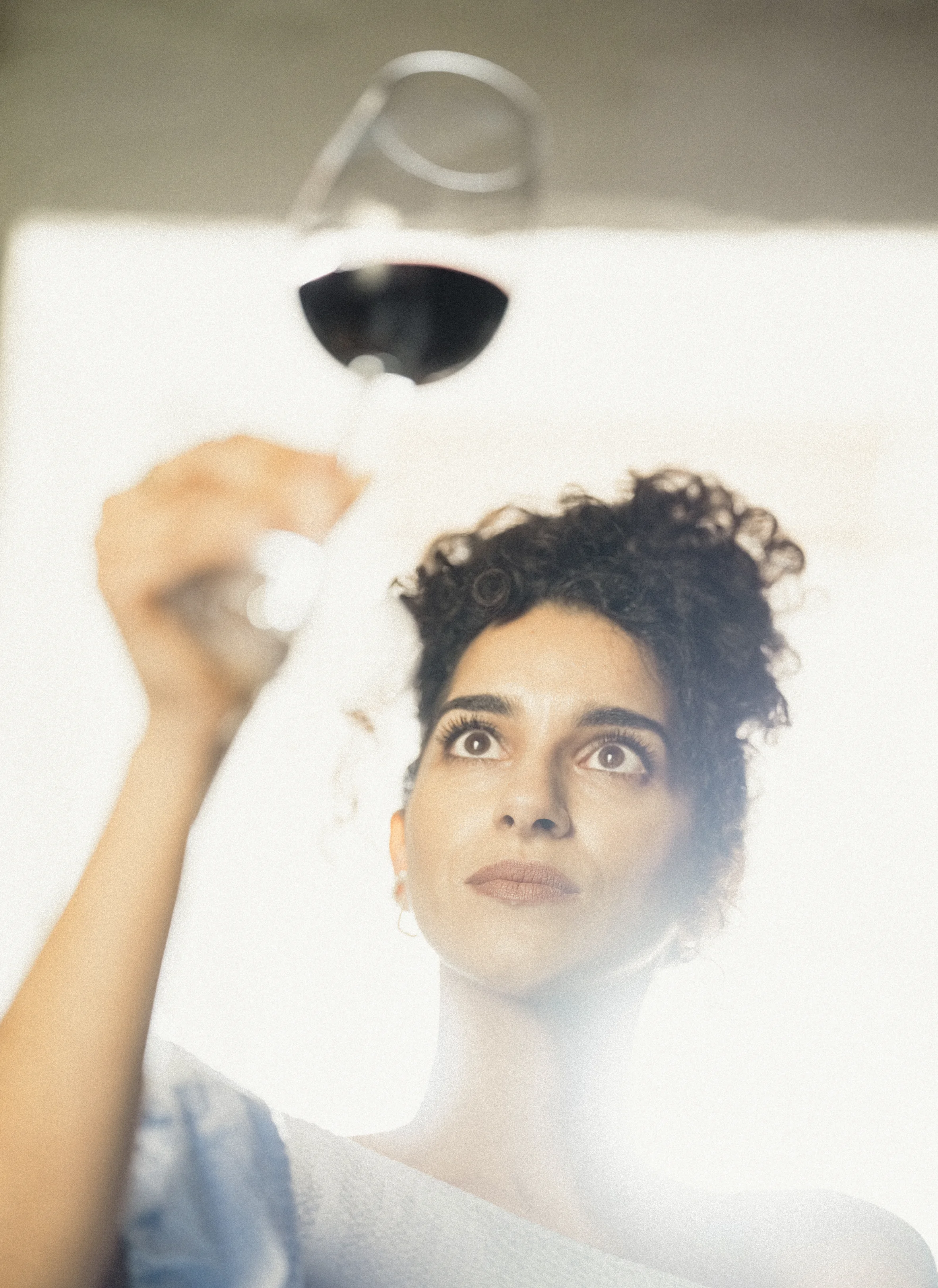
Château living is no walk in the park. Without a unique alchemy, disillusionment can lurk even in the cosiest salons. At Palmer, sommelier Farah Khairi is the person upholding the spirit of the place, drawing on her mastery of hospitality to bridge the gap between the estate’s history, its vintages and its vibrant daily life steeped in nature. At the end of each visit, she meticulously works to ensure that the meal crafted by chef Jean-Denis Le Bras is an intimate and unforgettable gastronomic experience.
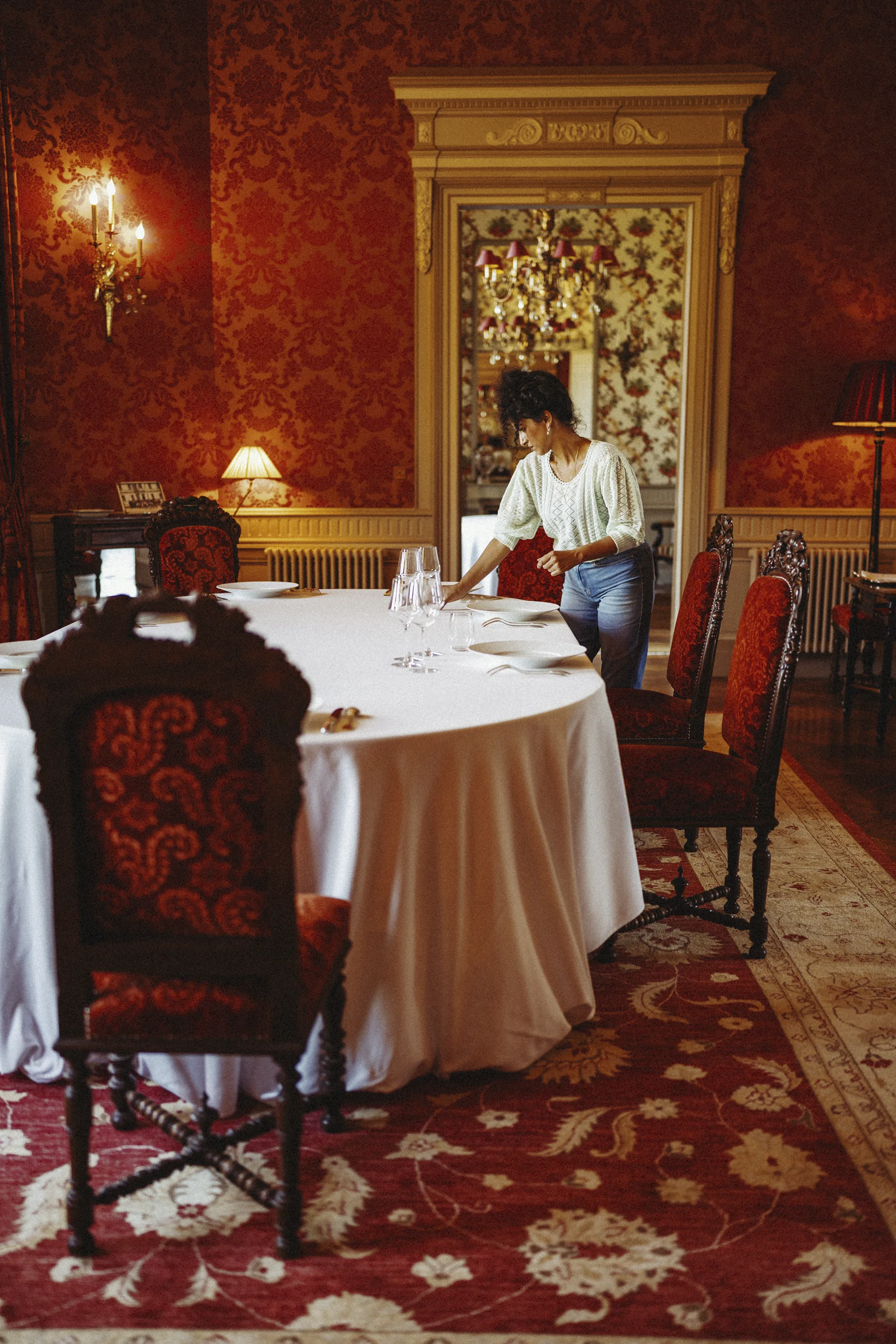
A château is never just any old building. Even when empty, it is inhabited. In everyday language, we might call these “spirits,” but this simplification – whilst not entirely wrong – is a bit of a shortcut. And, above all, overly limited. Châteaux are neither museums nor theme parks. You do not “go through” a castle in the same way you follow a guided tour in a gallery. Certainly not. Castles are theatres, versatile, fluid spaces that lend themselves to all manner of transformations. People come here to have unique experiences. An experience all of their own, which is not based on any set script and which instead unfolds in the moment, profoundly present. However, you must still be able to experience it to the full. And to do so, you must rely on the assistance of what Grégory Delaplace, anthropology researcher at the CNRS and renowned ghost hunter, calls a “special intelligence.” In this case, it is medium-like figure capable of channelling the spiritual energy of a place and adapting it to the expectations of each visitor. A ringmaster, of sorts, but one of immense subtlety.
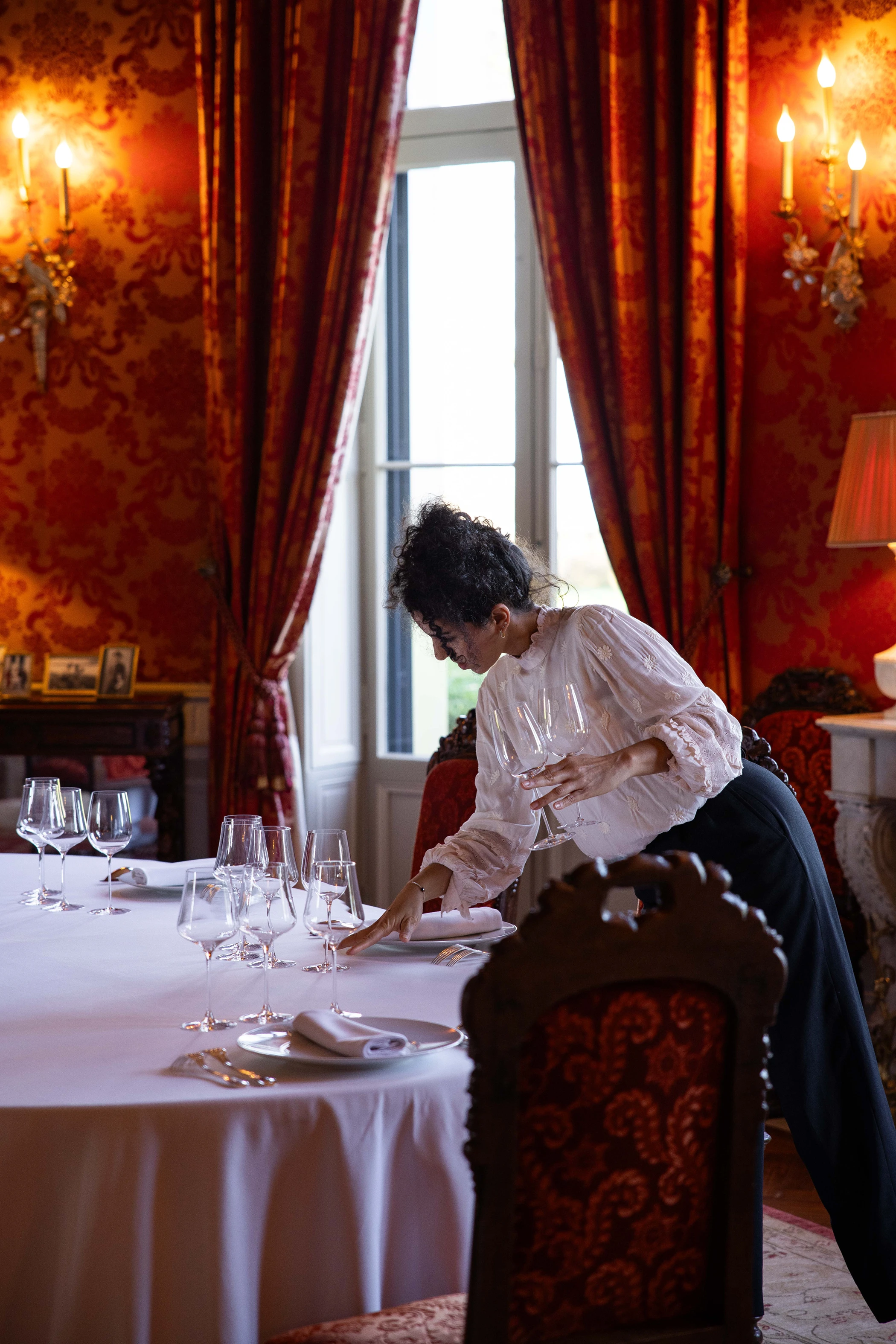
At Château Palmer, this master of ceremonies is Farah Khairi. Originally from Charente-Maritime, the young woman stumbled upon the world of wine by chance whilst studying for a vocational qualification in hospitality, having initially intended to work in bars. As a teetotaller, she knew nothing about wine or restaurants, but her sommelier tutor instilled a passion within her that quickly took on a life of its own. This unexpected “revelation,” as she calls it, opened the doors to exceptional establishments in Paris, London and Texas, but city life took its toll on her nerves. Her hypersensitivity brought her back to Bordeaux to be near her family, and she worked temporary jobs at the region’s estates. She discovered château living, with its evocative charms and hushed atmospheres. As someone who loves bargain hunting and vintage markets, she felt right at home, but finding jobs was difficult and her work was confined to service roles, far removed from her passion for wine.
She grew tired of this routine and was considering changing career to work in sales when one of her contacts offered her one last job at Château Palmer. She initially refused, but then remembered how beautiful the château was when she drove past it. This was her chance to step inside. She agreed to do her friend a favour and accepted the job, vowing that this really would be the last time. But things didn’t go quite to plan. She fell in love with the spirit of the place and the teams; the dinner went well and she met Thomas Duroux, the managing director, who, after several meetings, managed to convince her to join the project. As Farah says: “I accepted because I don’t see things as black and white! I’m a firm believer in signs and in the people who cross my path.”
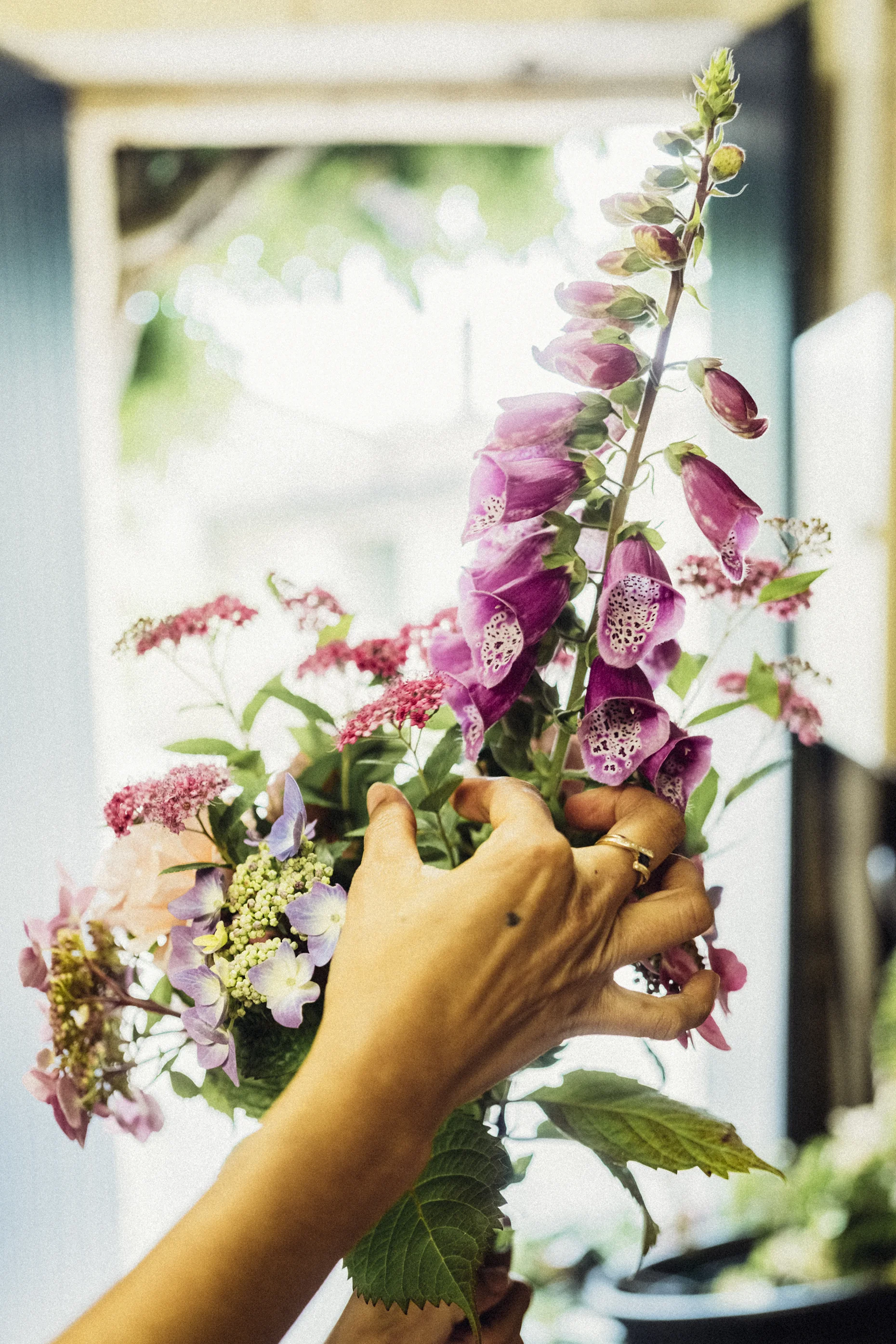
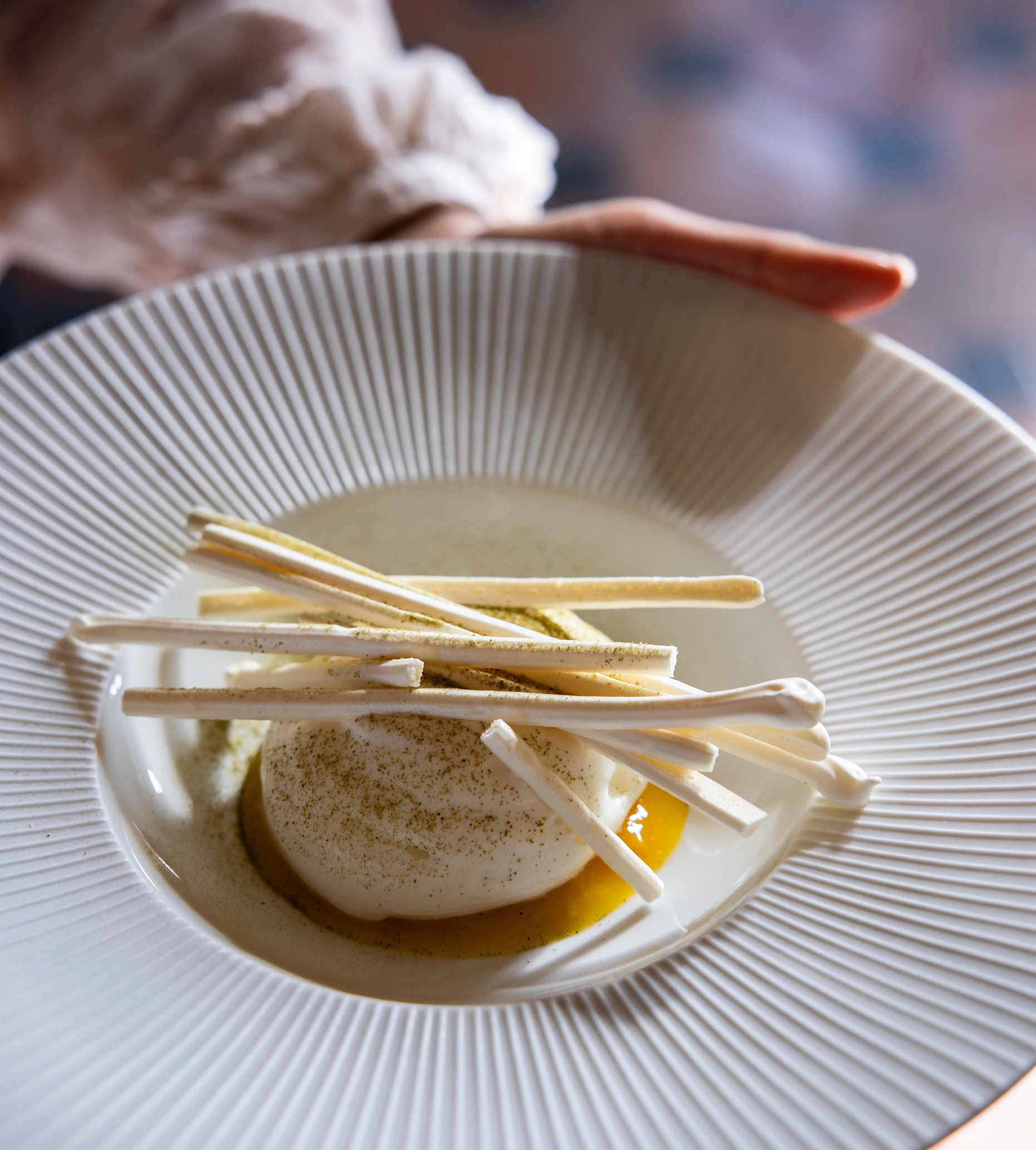
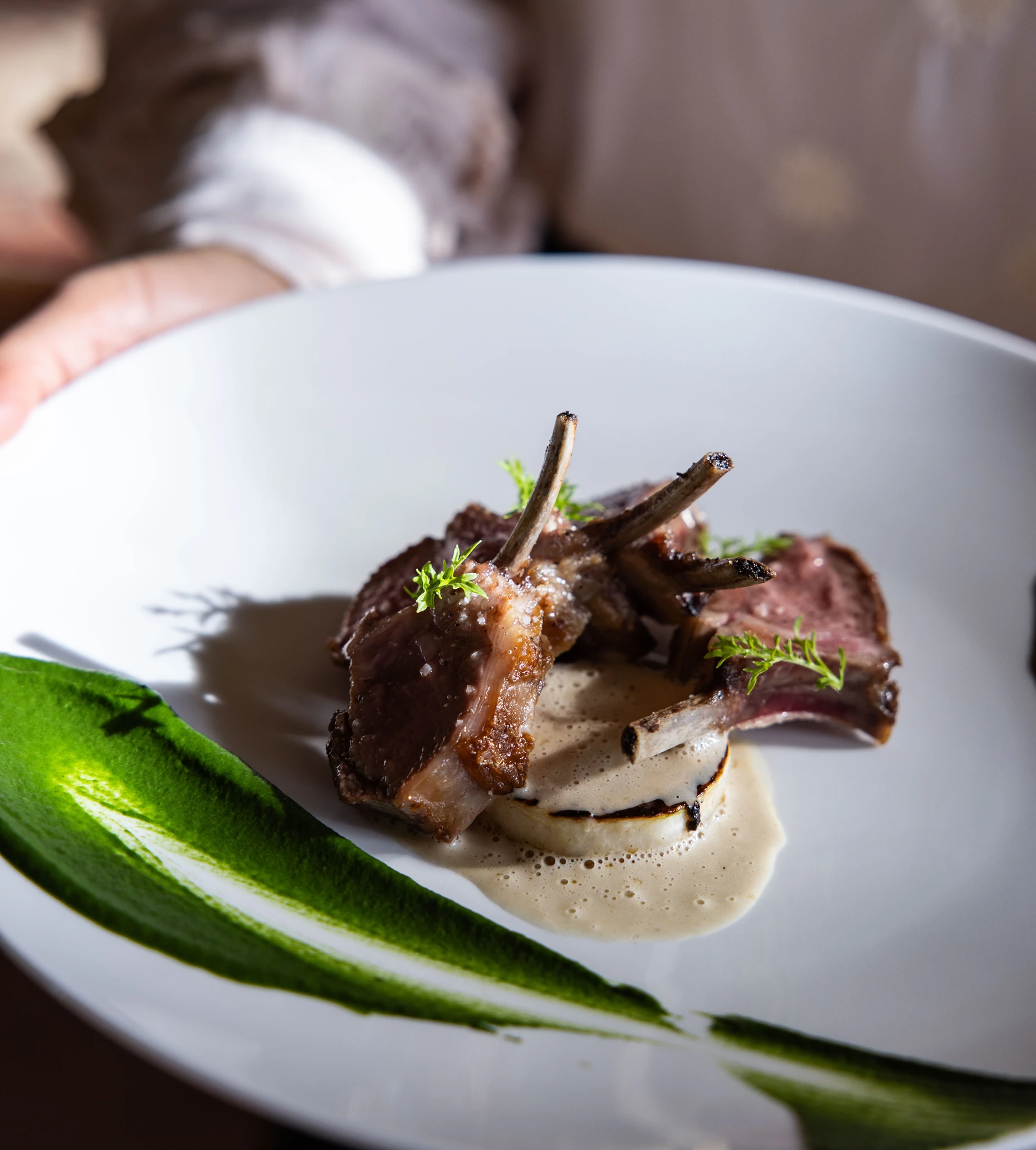
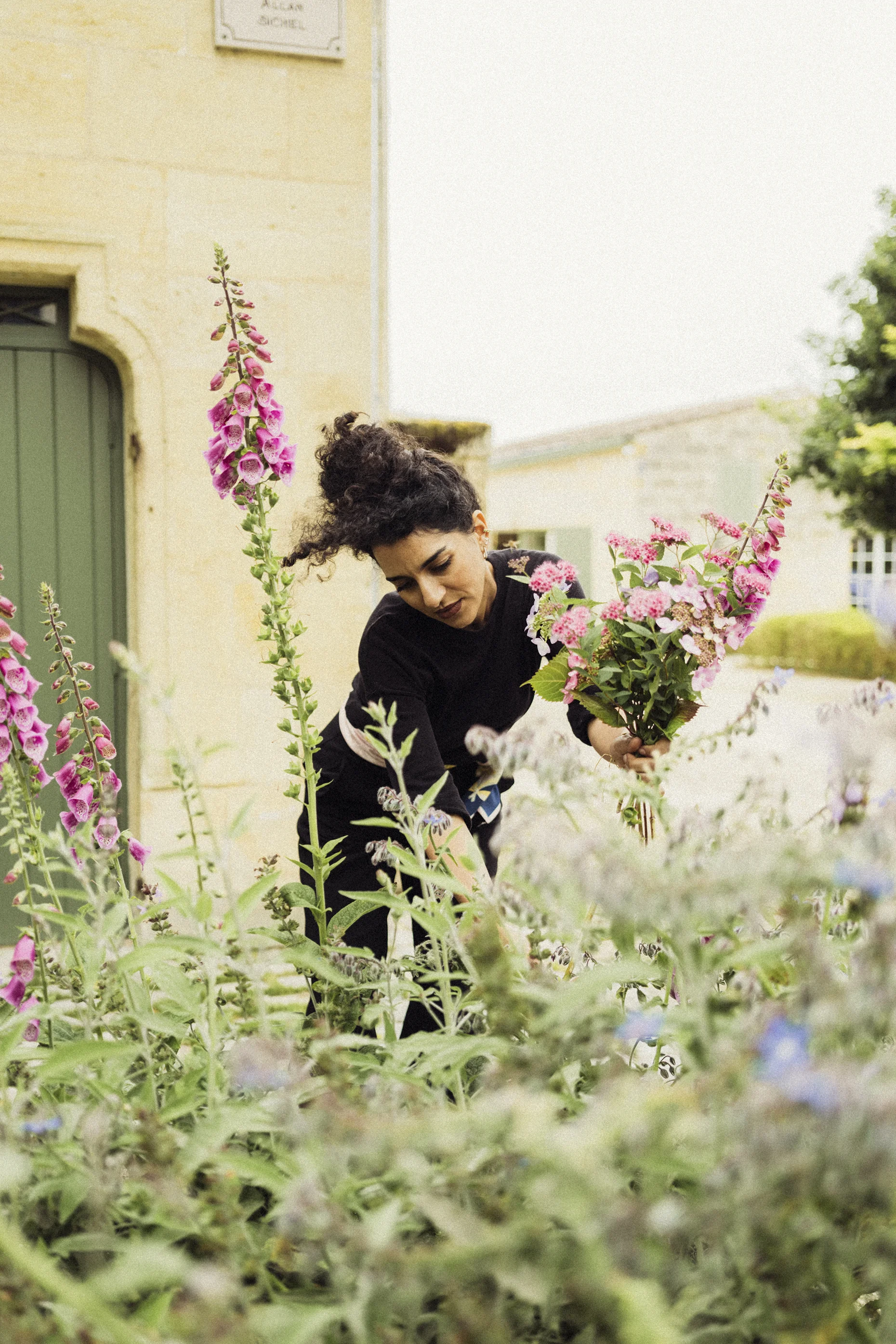
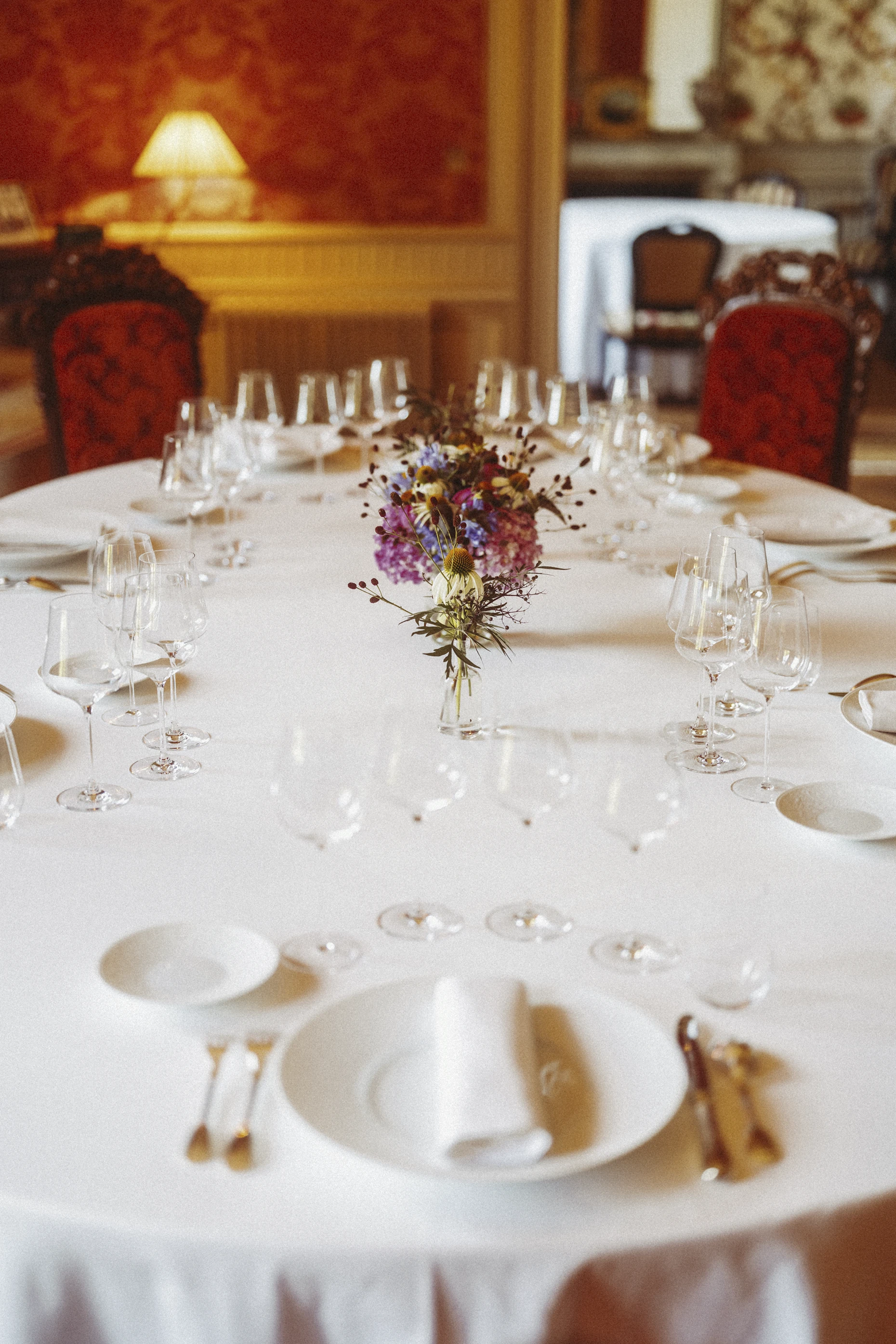
This lengthy digression on the path that led Farah Khairi to the 19th-century salons of Château Palmer is by no means anecdotal. It speaks volumes about the aura and appeal of this building, designed specifically by the Pereire brothers for receiving and impressing guests. Today it serves as the highlight of the estate’s gastronomic and ecological experience, as every visit ends here with a lunch crafted by Jean-Denis Le Bras. The menu is decided by the chef based on his inspirations and the garden’s offering. It falls to Farah, in collaboration with Thomas Duroux and Jean-Denis Le Bras, to select the wine pairings for the meal. She is also responsible for choosing the Limoges porcelain and the estate’s cut flowers, arranging the bouquets and ensuring the meal flows at the right pace.
Every day, within the timeless setting of the state rooms brought to life by Farah, the spirits of the past that shape the estate’s history engage in a dialogue with its most deeply immediate present. And it is Farah who is tasked with ensuring this encounter runs smoothly, so that the energy generated by this connection between the visible and the invisible bathes visitors in an incomparable spiritual atmosphere. She believes that this is proof that something magic is happening: “Time stands still. Again and again, guests lose all track of time. In the dining rooms, which face away from the road, you can’t hear a thing. They enjoy their meals overlooking the garden. There is no clock, nothing to tell the time. All you can hear is our conversations. I love this deeply immersive moment when everything is frozen, everything is in perfect harmony. You can feel the very essence of Palmer resonating in the air.”
“Everything is in perfect harmony. You can feel the very essence of Palmer resonating in the air.”
Farah Khairi — Hospitality Host at Château Palmer
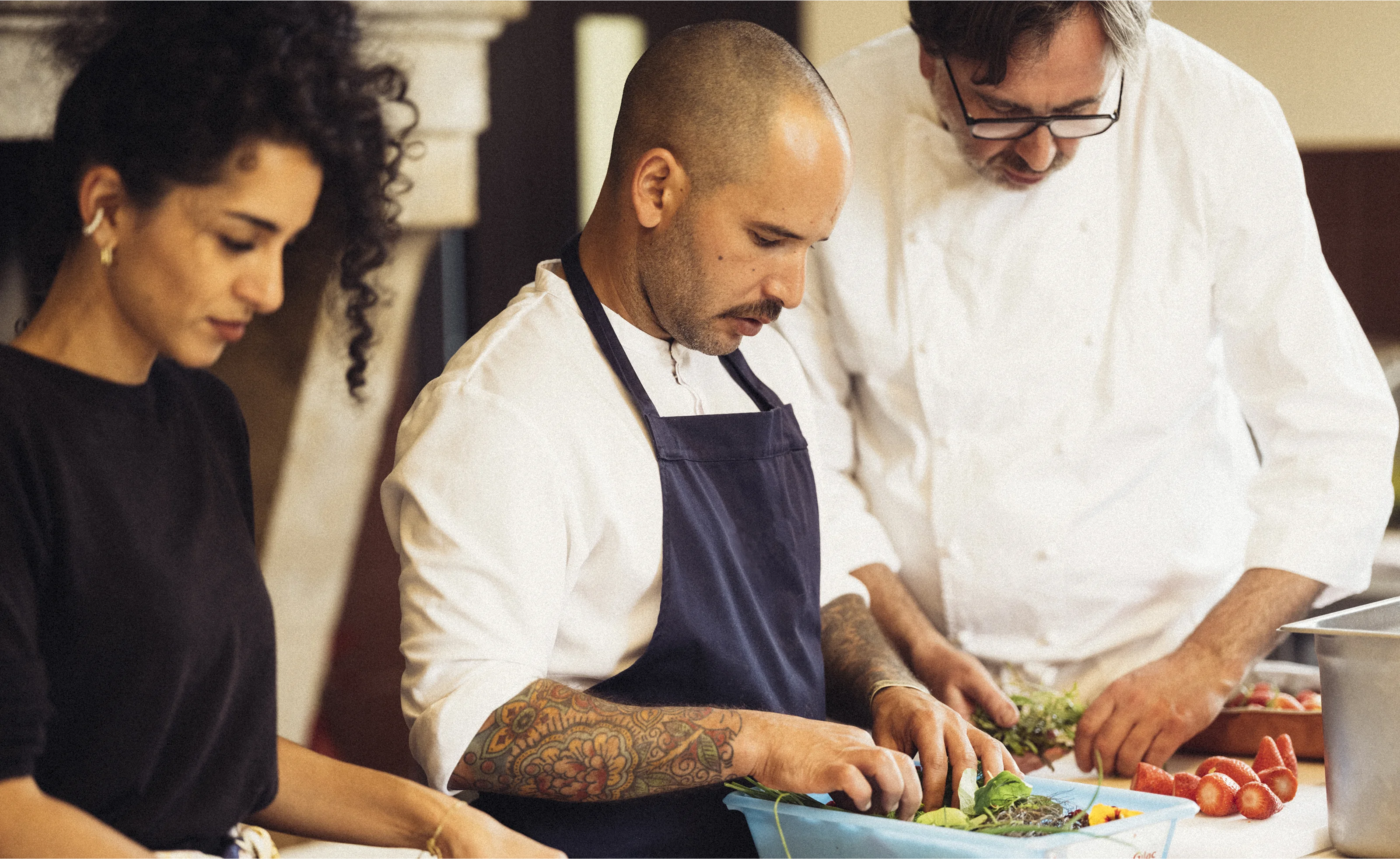
This is precisely what it’s all about: offering Palmer in its most authentic form. Exclusivity is not a matter of one-upmanship, but of attention to detail and sincere hospitality. Farah Khairi describes it beautifully: ‘The people who come here are often connoisseurs; this is usually not their first experience in this sort of place. But even the tour of the estate with my colleague Inès Amichia is a perfect introduction to the meal. My job is to accompany them on a journey of joyful discovery, to prolong that feeling. They connect with the very special place that is Château Palmer, and I do everything to amplify that feeling. When you are delighted to discover something, you want to push that feeling as far as possible. I give them my full attention and care. I make them realise that they have exclusive access to the present moment; that the place is dedicated entirely to them. Even in the finest three-star restaurant, there will always be other people around them. Here, the moment belongs to them.”
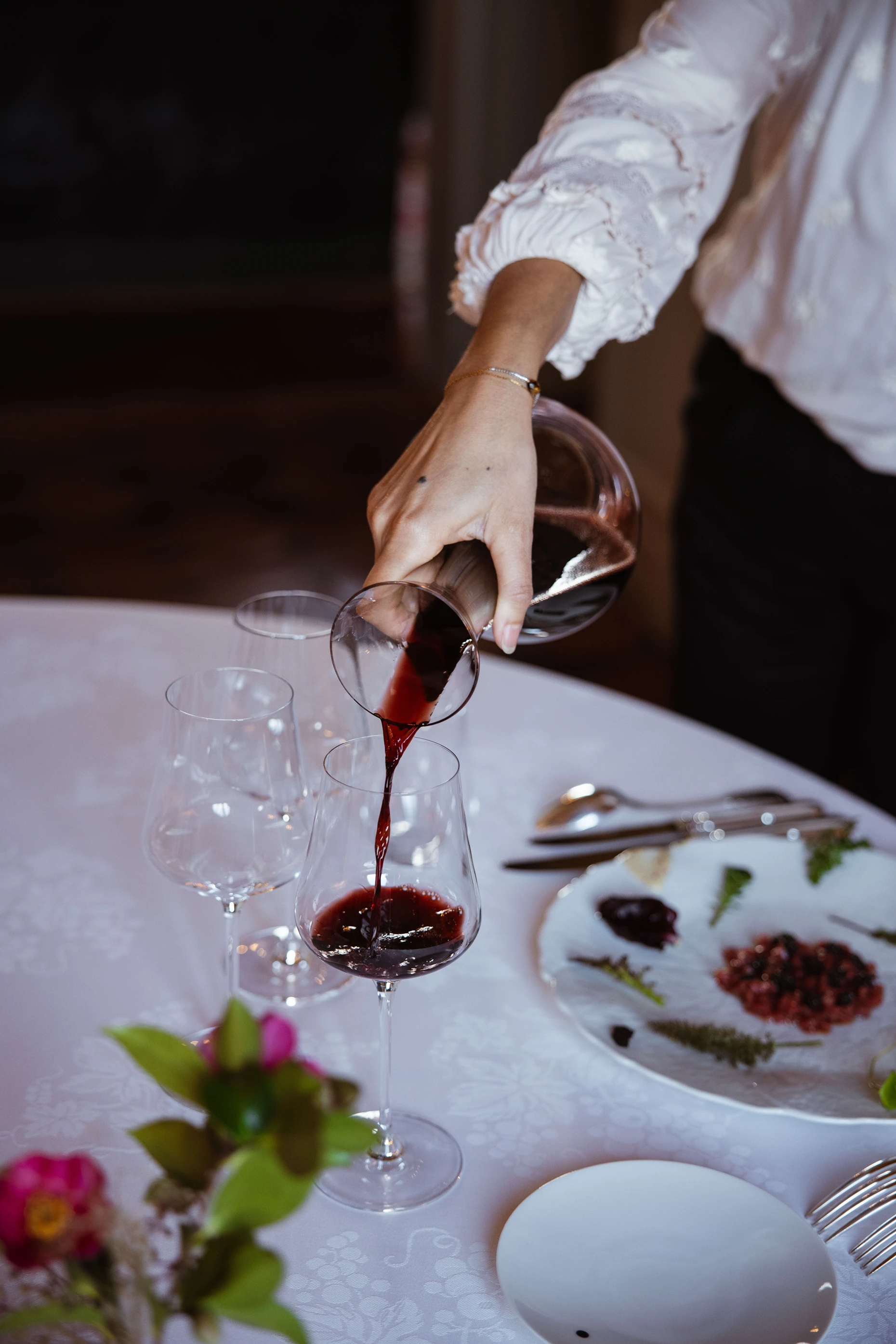
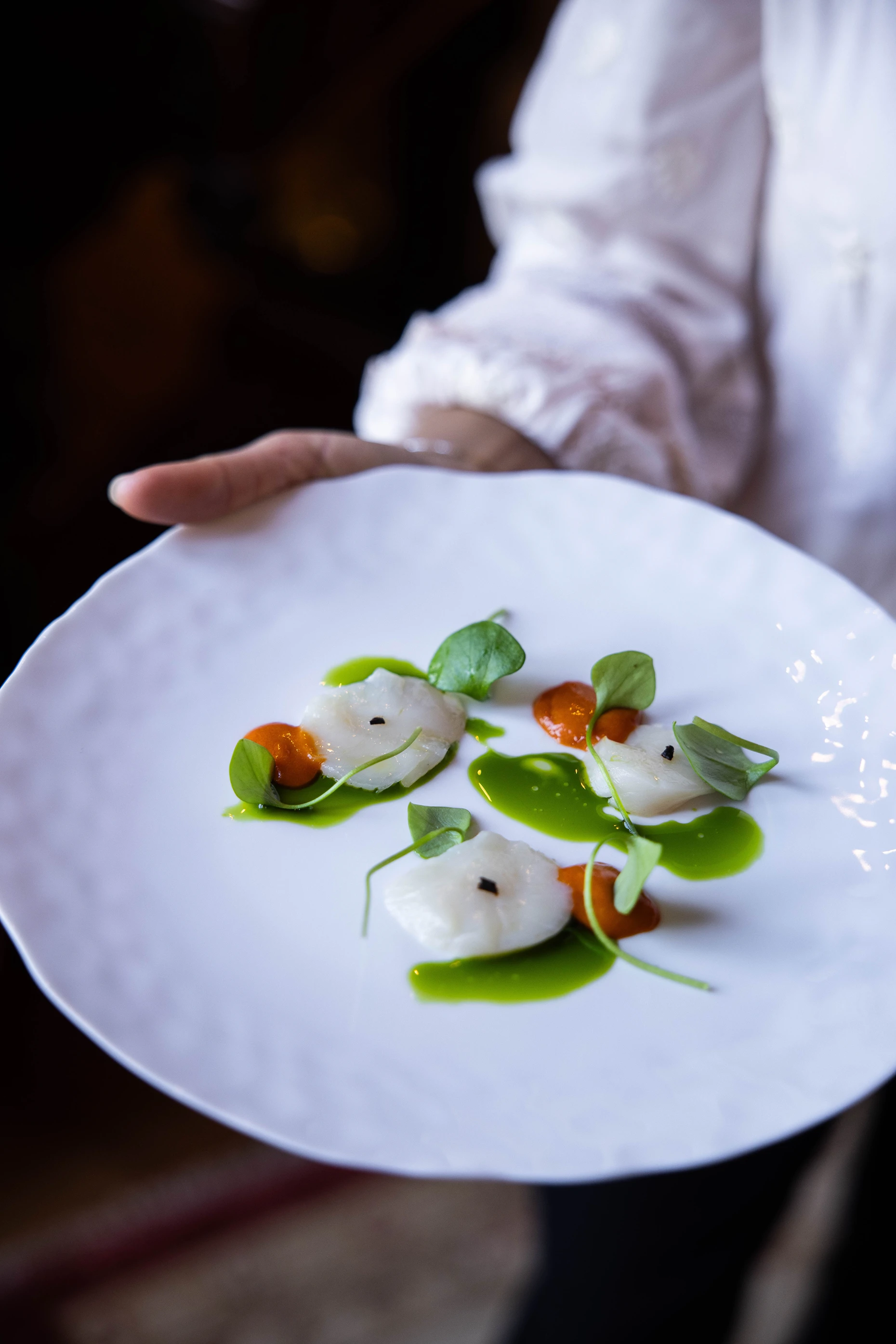
“I make them realise that they have exclusive access to the present moment; that the place is dedicated entirely to them.”
Farah Khairi — Hospitality Host at Château Palmer
This exclusivity carries an authentic weight. It enables intimate bonds to be forged between each visitor and the surroundings they inhabit, even if only for the duration of a meal. What makes this moment unique is that it awakens the “special intelligence” of each person experiencing it. And what is this intelligence? Sensitivity to the full spatial and temporal dimensions of a place. In other words, an ecological awareness. The revelatory experience of the château, however exclusive it may be, is to inspire us. And this is precisely because it has the power to show us a path that is accessible to all, to guide us through each moment as we attune ourselves to our environment – even in the most everyday of settings.
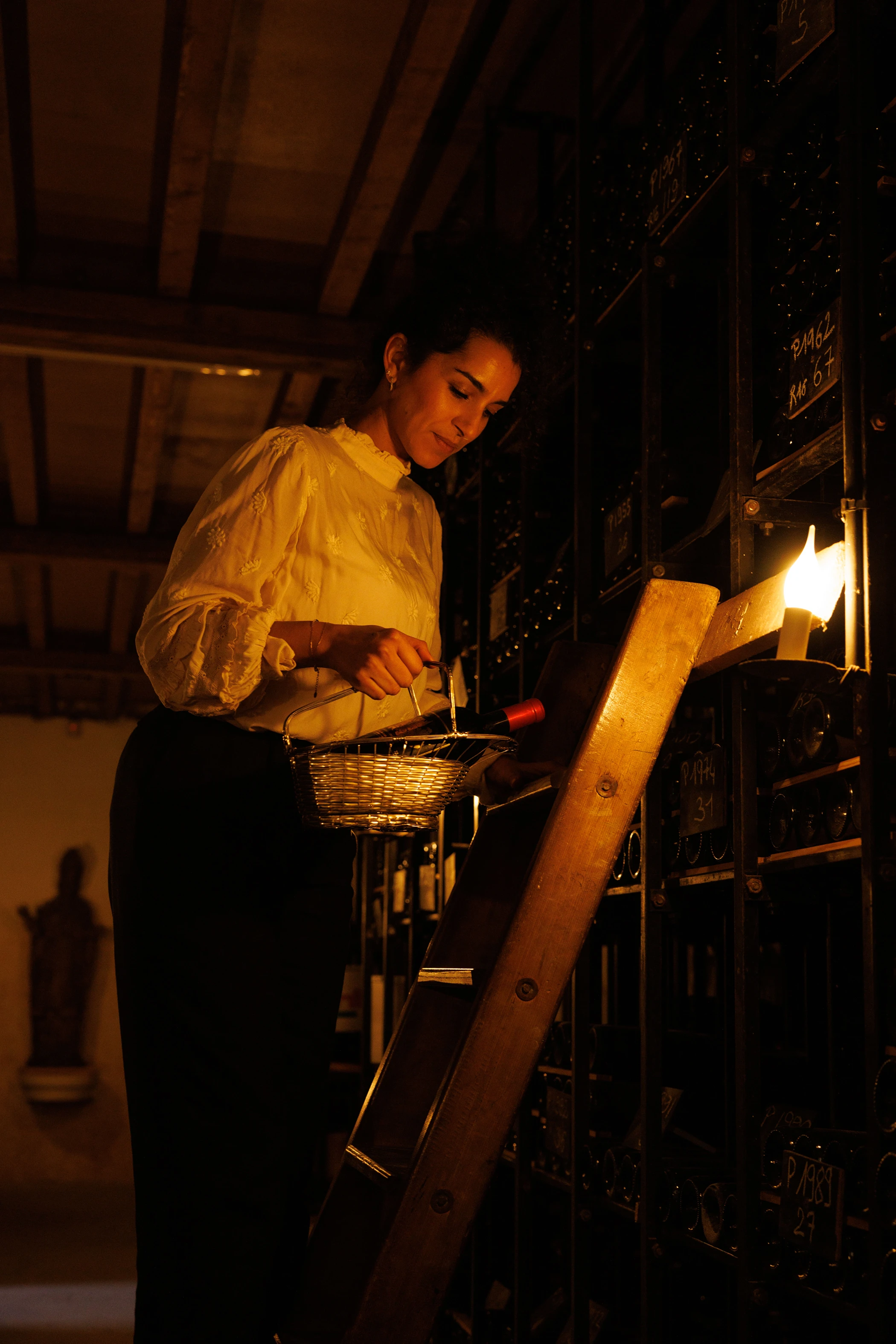
Photography by Julien Mignot, Benjamin McMahon, Sarah Arnould


