
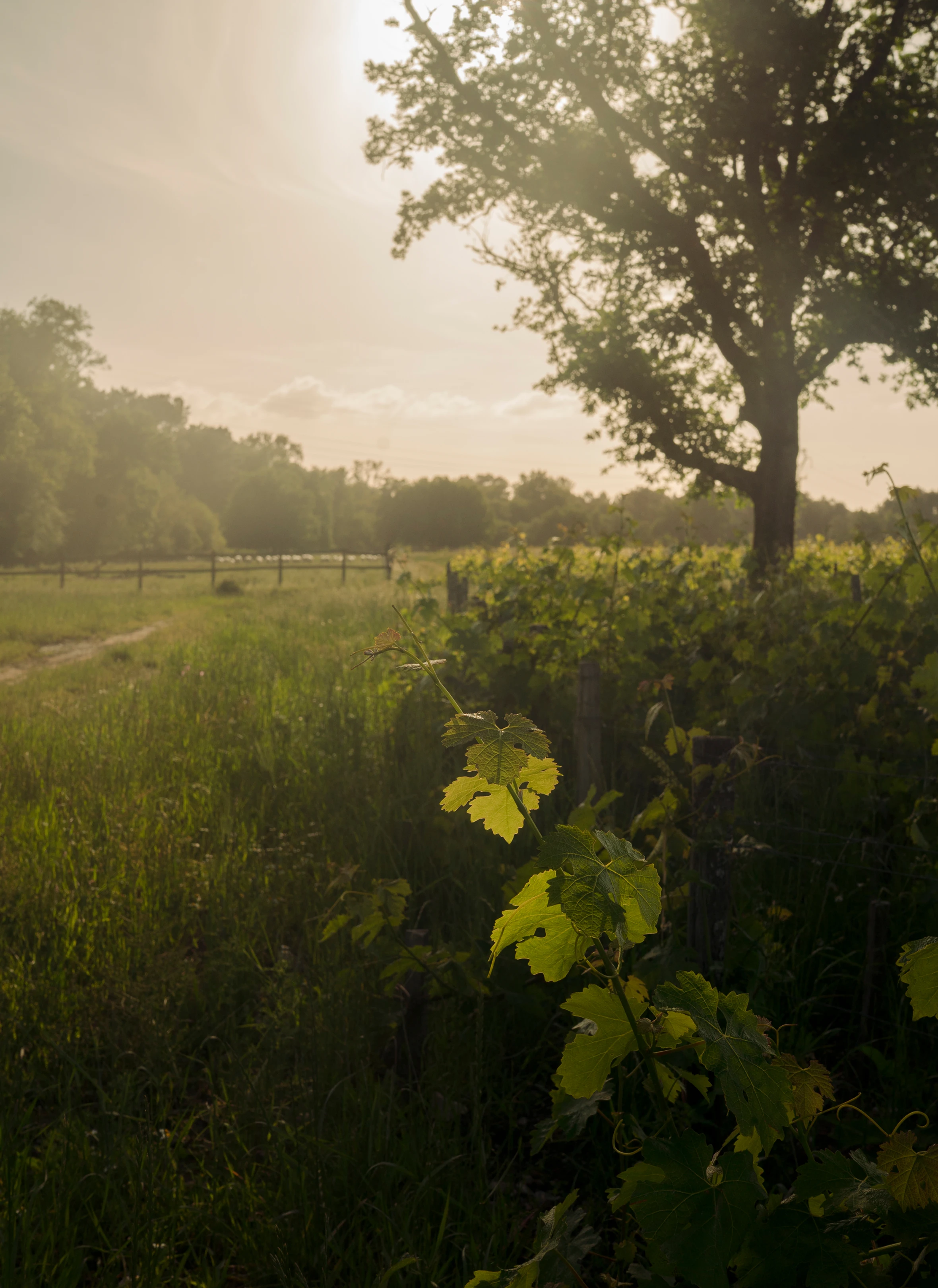
A vineyard is more than its vines. Beneath them, in all that moves and quietly transforms, another world is already contributing to their balance. At Château Palmer, the vines never exist in isolation. They are part of a world of relationships: with the soil and its microorganisms, the plants that surround them, the water, the light and the passing seasons. Their balance grows out of these connections, many of which are forged beyond our sight. A plant alters its surroundings; a root gradually transforms the soil around it; the soil, in turn, responds to what grows there. The vineyard takes shape through this silent circulation, through exchanges unseen by the eye yet whose traces the vines still bear.
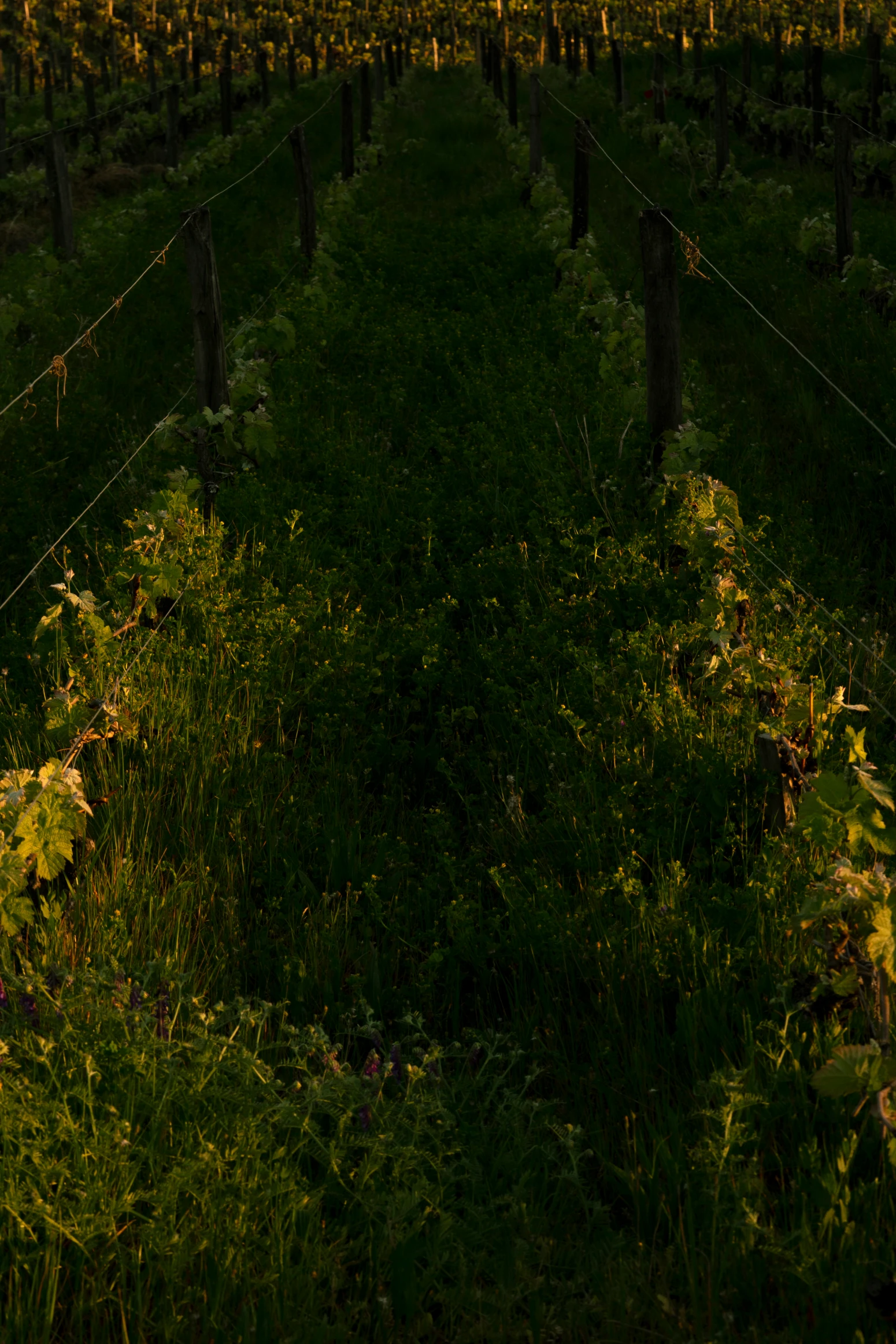
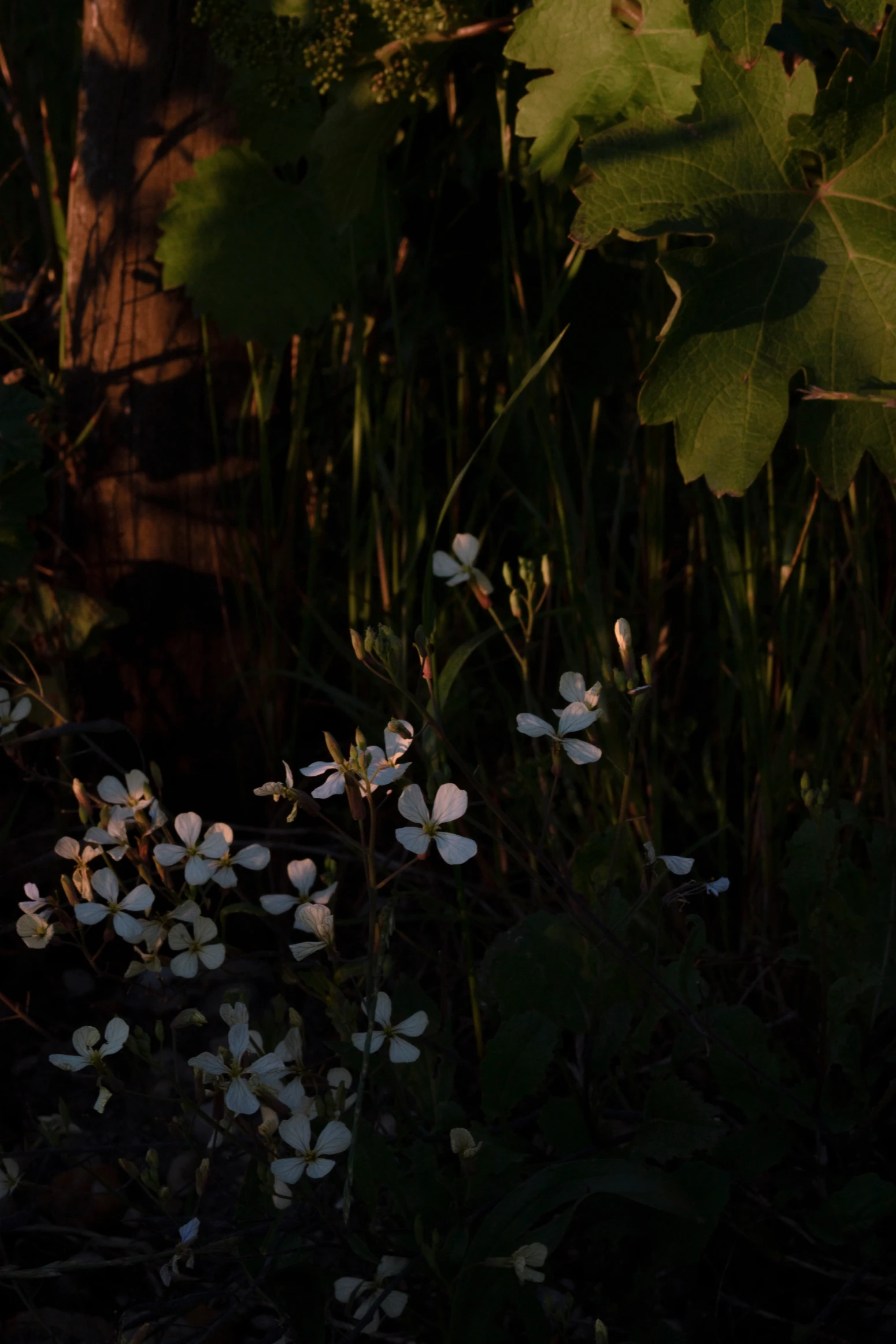
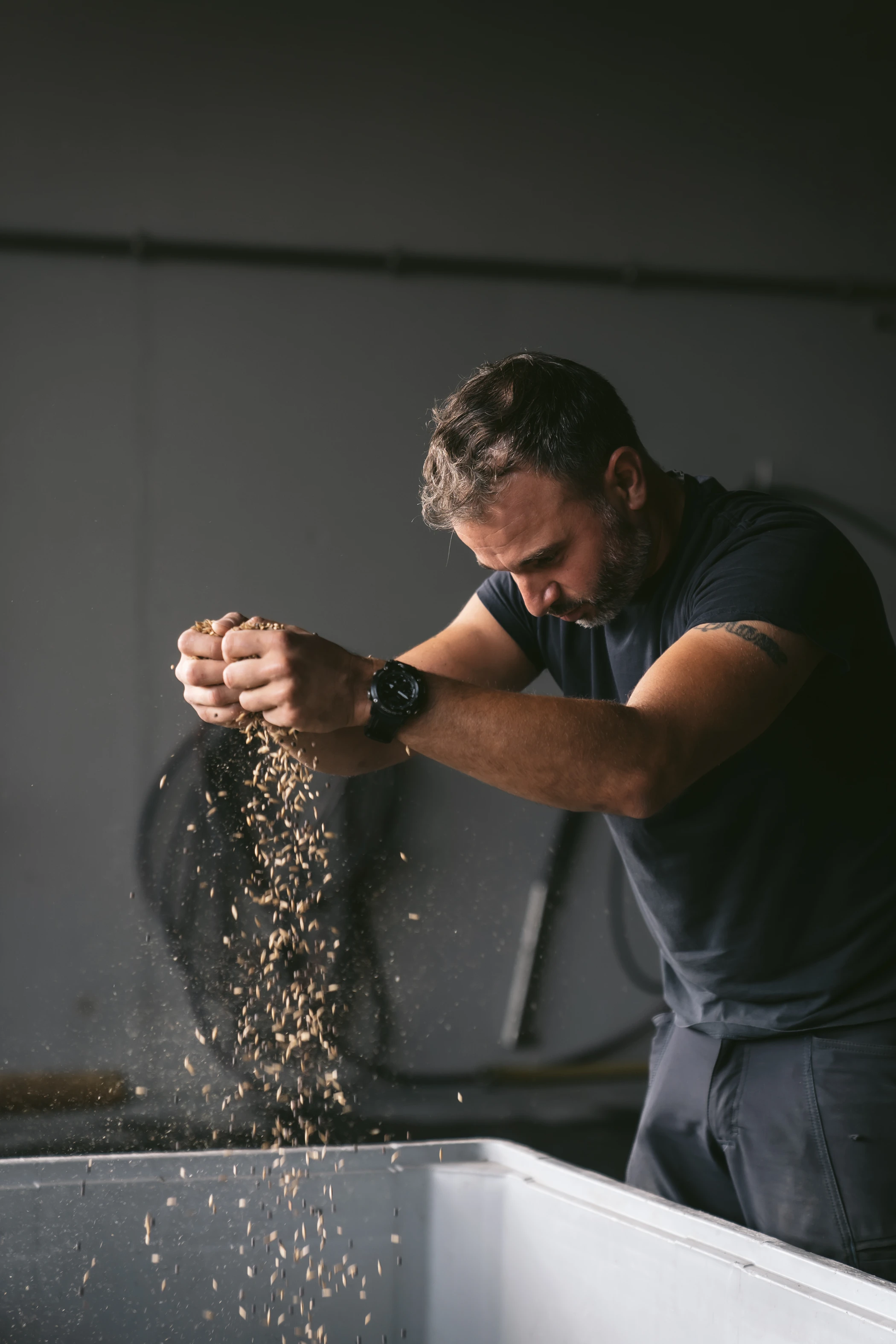
Sowing makes this idea visible. Every autumn, once the last bunches have left the rows, other plants take their place. Barley, oats, clover, vetch: they are not sown to be harvested. They inhabit the vineyard through winter, preparing the conditions for the vines to resume their growth in spring. Here, sowing is not simply a matter of covering the soil. It means introducing a new presence. Choosing a cereal or a legume, deciding where it will grow, how densely and for how long: each of these choices shapes the conditions of the living environment — the movement of water, the availability of nutrients, the structure of the soil, the way the vines share their space with other forms of life.
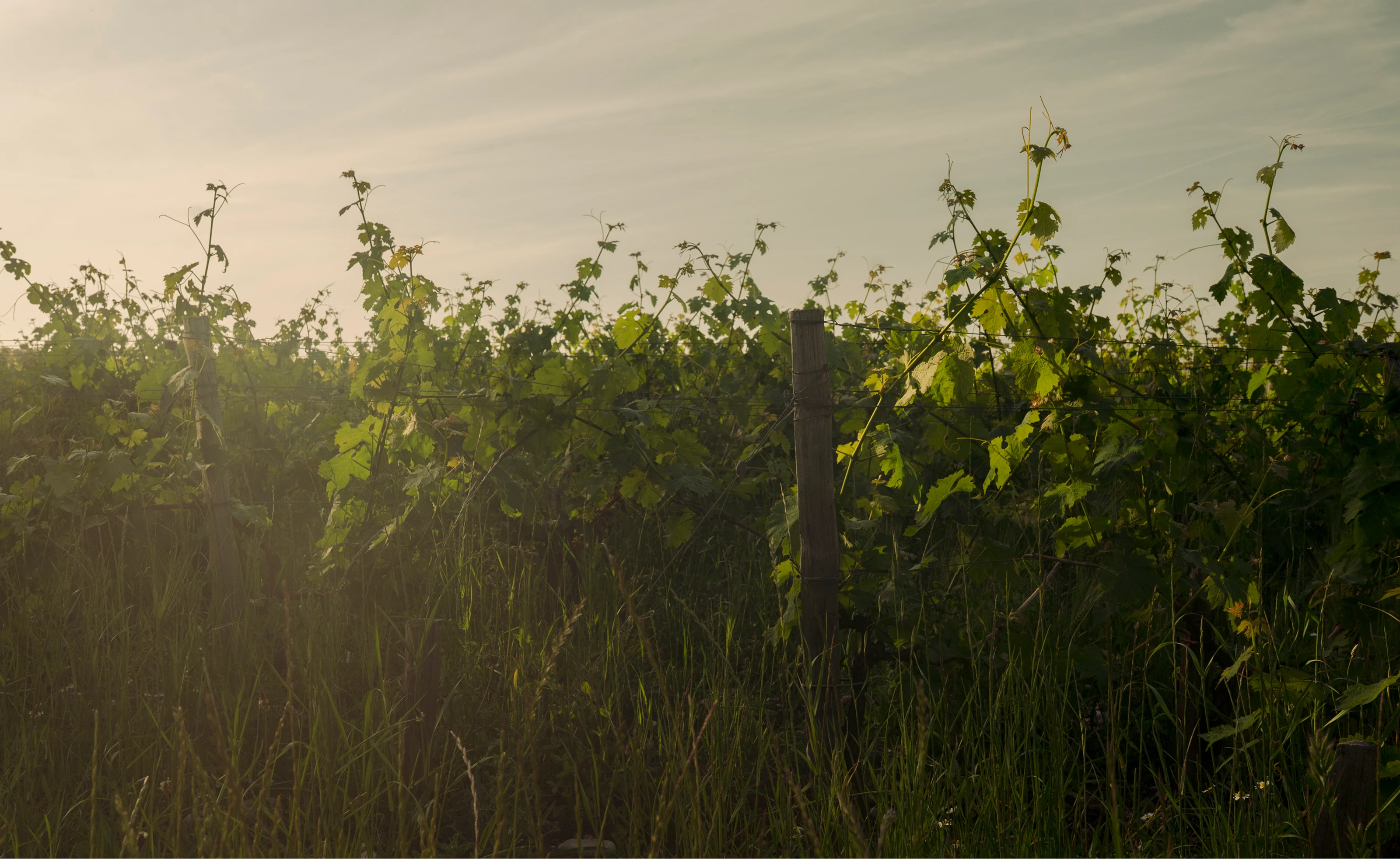
But before sowing, we need to know how. Each plot has its own dynamic. Some vines grow vigorously, others with greater restraint. Water does not linger everywhere in the same way. The age of the vines, the composition of the soil, the history of the plot and the conditions of the vintage all create differences that must be learnt and recognised. At Château Palmer, this knowledge is built first and foremost over time, through the teams’ accumulated experience and observations made season after season. It is complemented by data on the soil and the age of the vines, including a vigour map of the vineyard, which reveals the vegetative expression of the vines, the robustness or fragility of their shoots, and the sometimes subtle differences between neighbouring plots. “We translate it into our Palmer language,” says Alba Sanchez, vineyard manager. The phrase is apt. Managing a vineyard is, in a sense, a matter of learning how to read it.
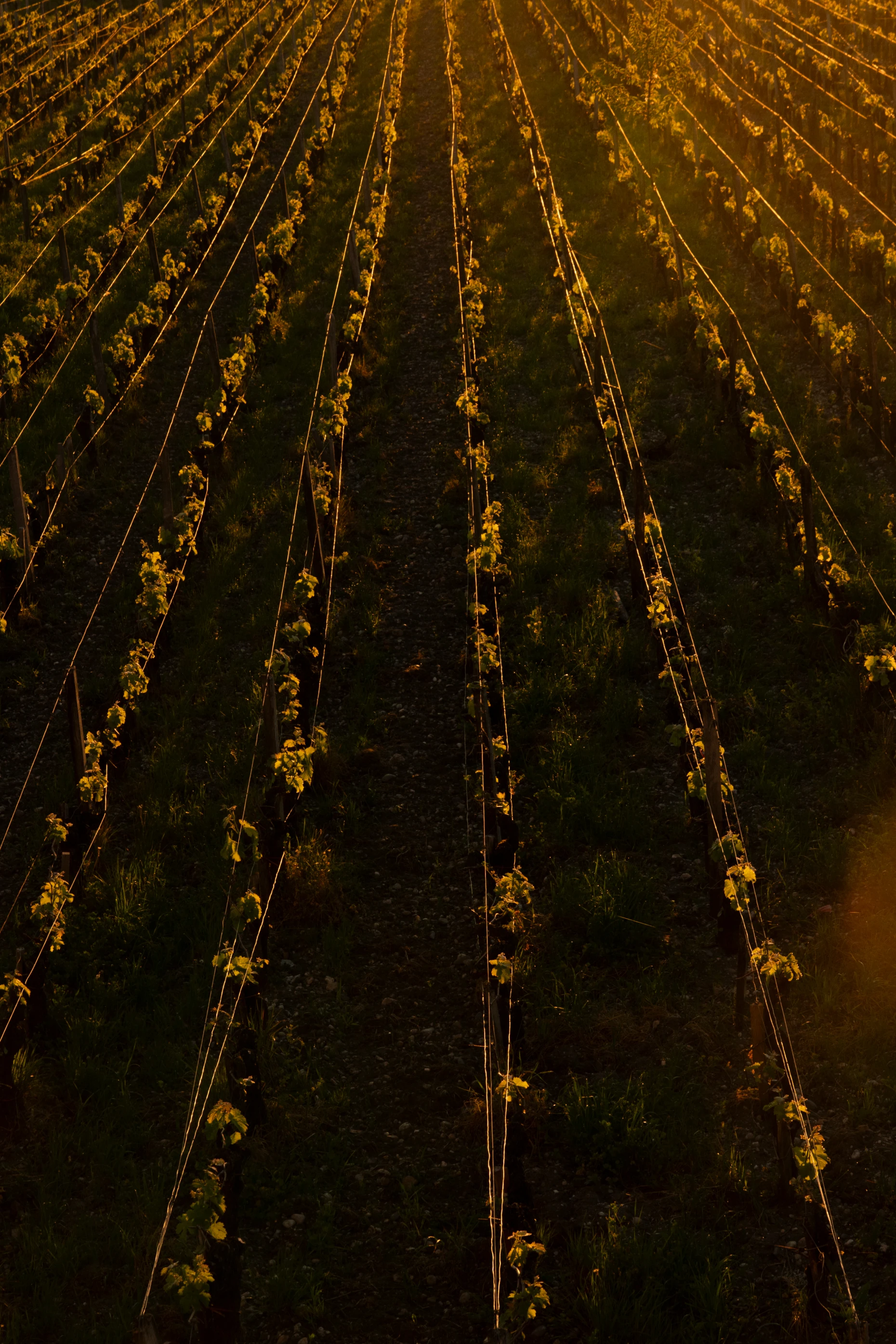
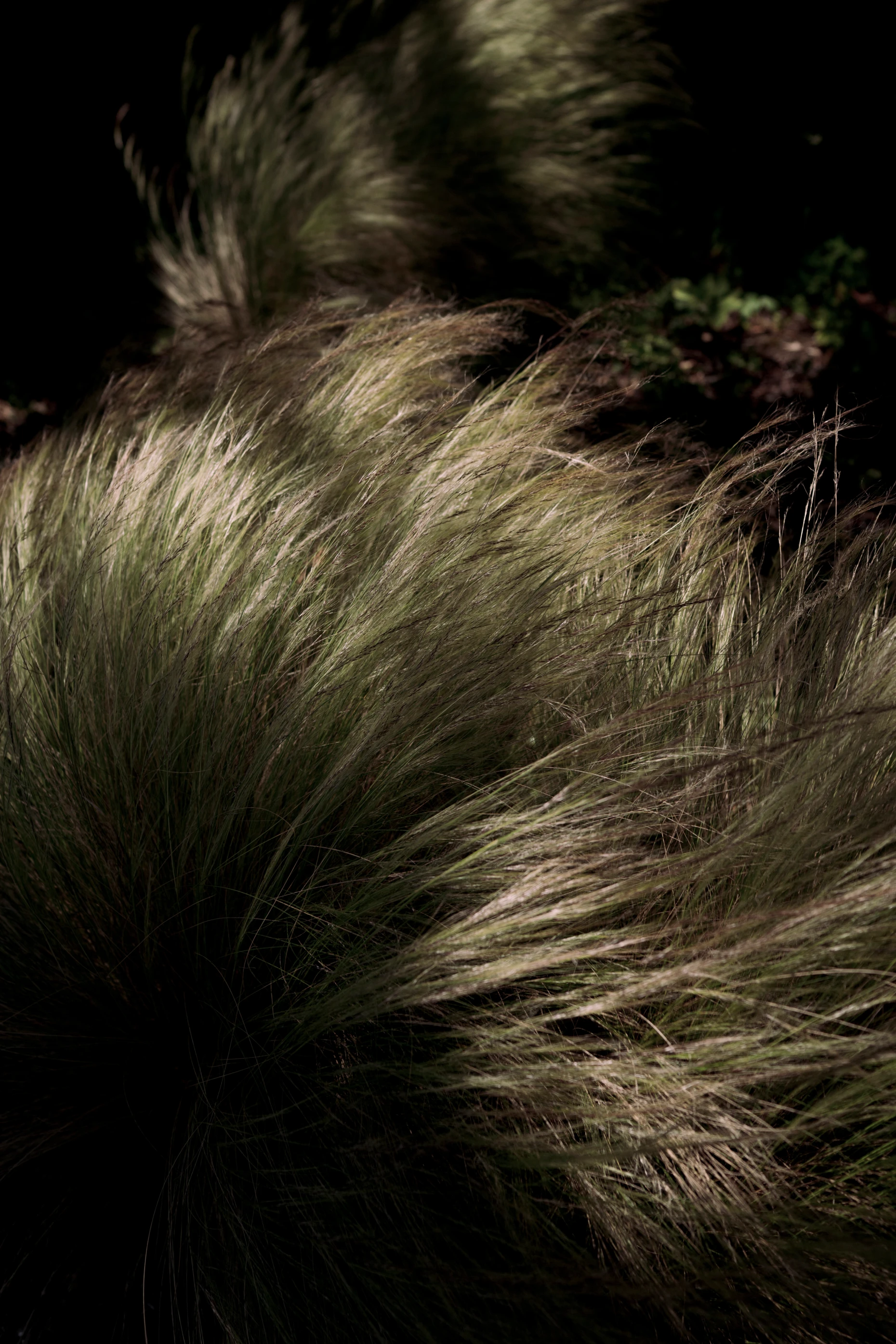
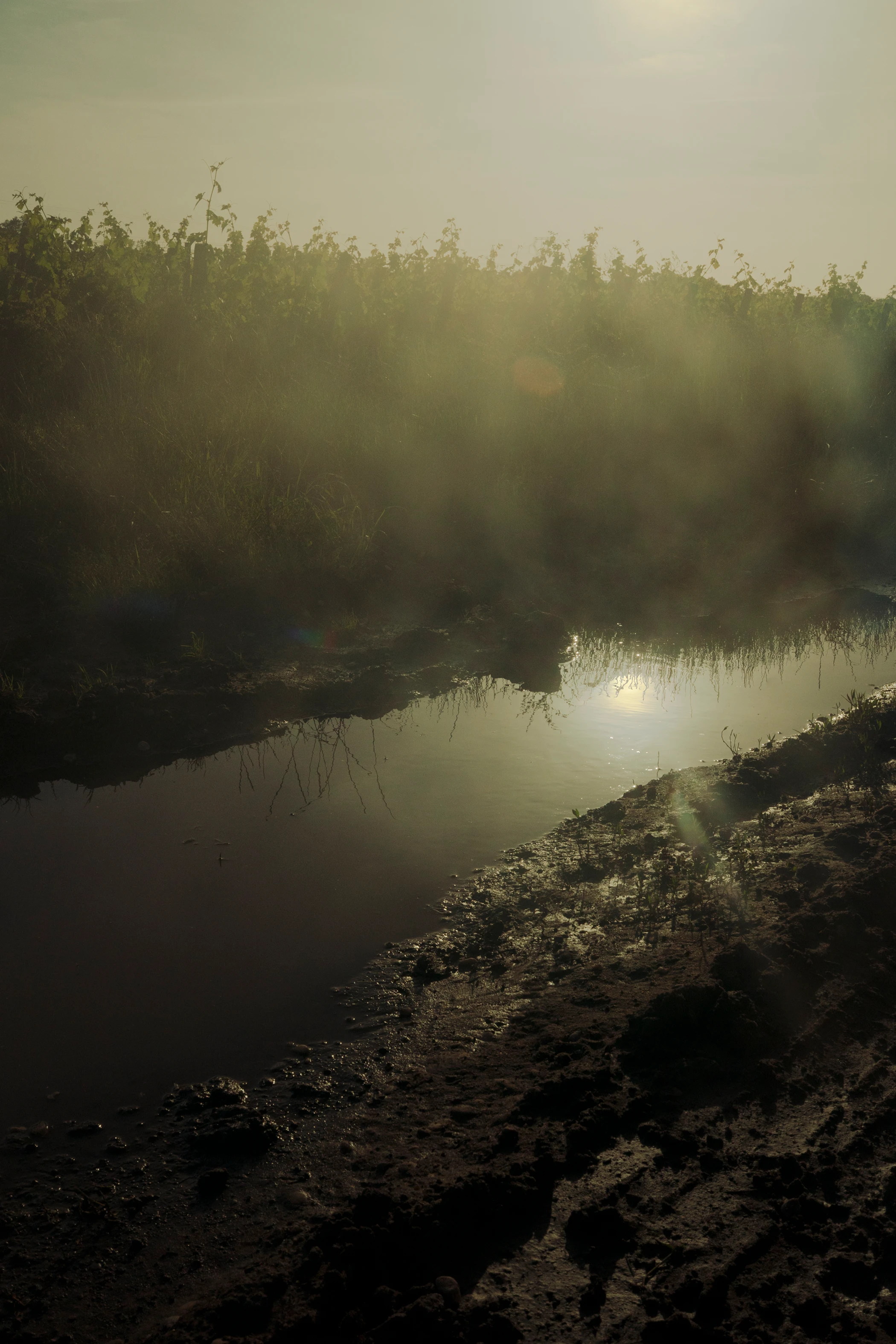
Vigour, the presence of certain plants, the way water moves or a cover crop develops: these are all signs. Data helps us identify them; experience teaches us how to interpret them. This reading is not about erasing differences. On the contrary, it allows us to work with them. A highly vigorous vine does not require the same care as a more fragile one. In some plots, natural ground cover is maintained. Elsewhere, cereals and legumes are sown in every other row. The most nutrient-deficient plots may receive this support in every row.
Six seed mixtures are used in this way, consisting mainly of barley, oats, clover and vetch, across four vigour groups. Cereals help regulate soil moisture levels during the often-rainy springs typical of an oceanic climate. Legumes capture atmospheric nitrogen and help return it to the soil as the vines resume their growth. A plant is never chosen in isolation. What matters is also what it does in the presence of others, in a particular soil and at a particular moment. There is no ideal mixture in itself. There is a plant, a soil, a vine, a season and, between them, a relationship to understand.
There is a plant, a soil, a vine, a season and, between them, a relationship to understand.
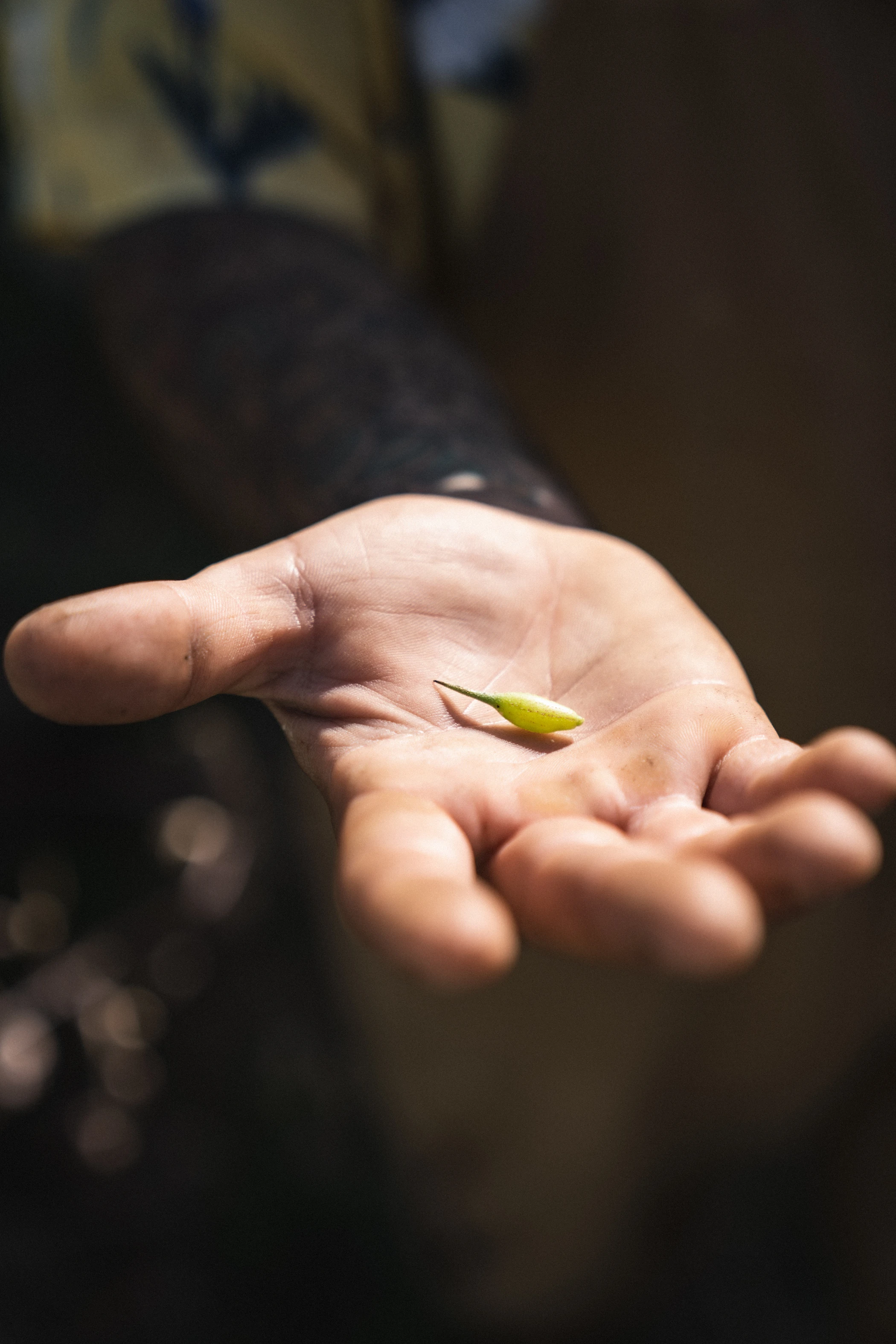
Some answers only come through trying. Vetch, which grows quickly, has proved too vigorous in certain situations: its stems could reach the trellis wires and become tangled with the vine shoots. Field beans proved susceptible to frost. One combination is retained; another adjusted or abandoned. “The advantage of our line of work is that you can start over the following year,” smiles Alba. Because sowing takes time to give an answer.
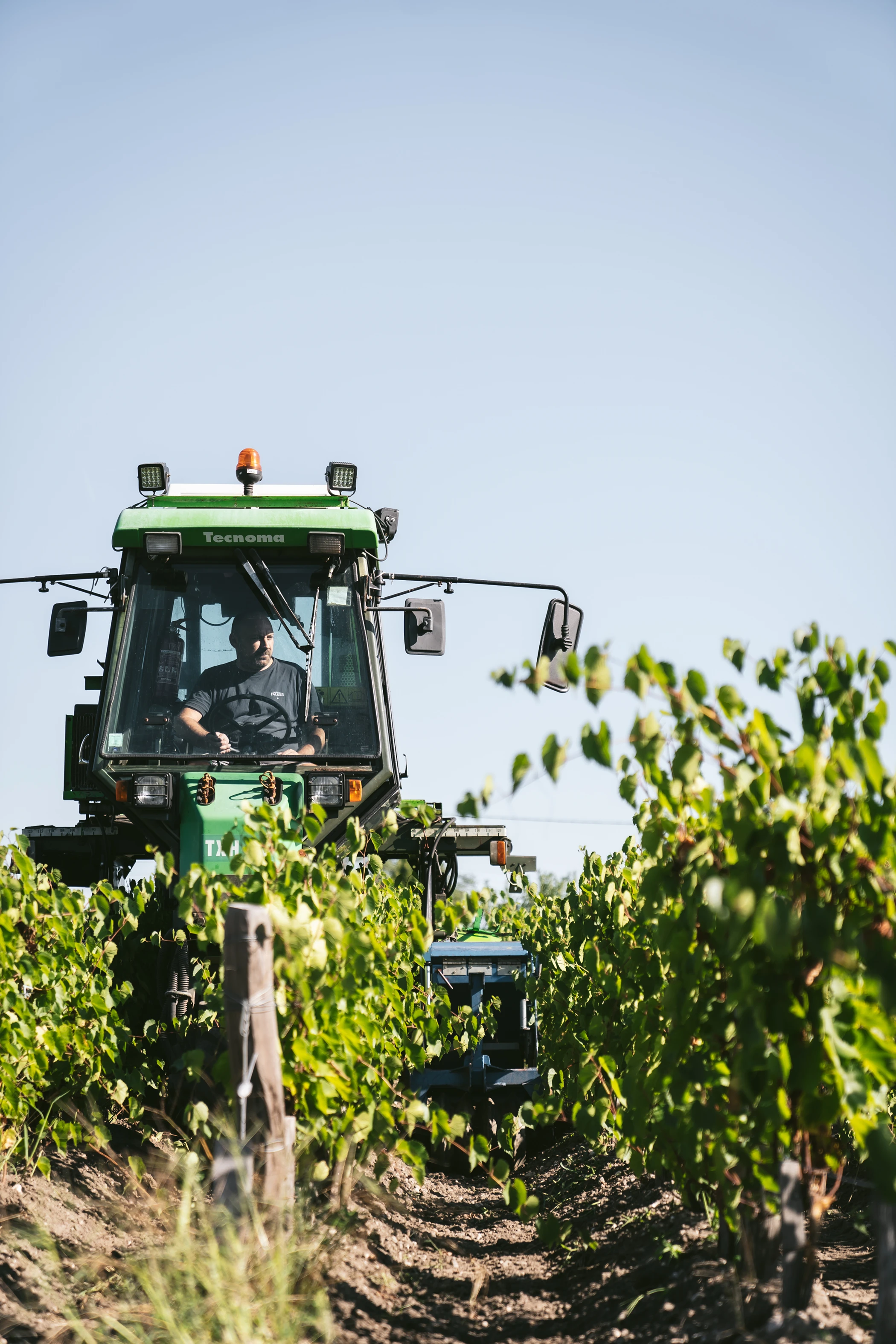
In autumn, the earth still holds a little of the summer’s warmth when the seeds are entrusted to it. The seed drill lightly opens the soil and deposits them two or three centimetres deep, while the team applies compost tea to encourage germination. The work must begin early enough to make the most of the autumn rains, before the soil cools. At the wheel of the tractor, Benoît Lizzi, a tractor driver at Château Palmer, moves between the rows with the precision demanded by the proximity of the vines. On wet ground, the machine can slip; the task requires constant attention. Around five acres can be sown in a day. Then human intervention stops.
The first shoots appear quickly. Then winter comes. For several months, most of what matters happens beneath our feet. Roots advance through the darkness, organic matter transforms, biological activity continues in the soil. What was sown in a matter of hours continues to act long after the machine has left the plot. Time is not merely what separates one intervention from the next. It is part of the work.
Time is not merely what separates one intervention from the next. It is part of the work.
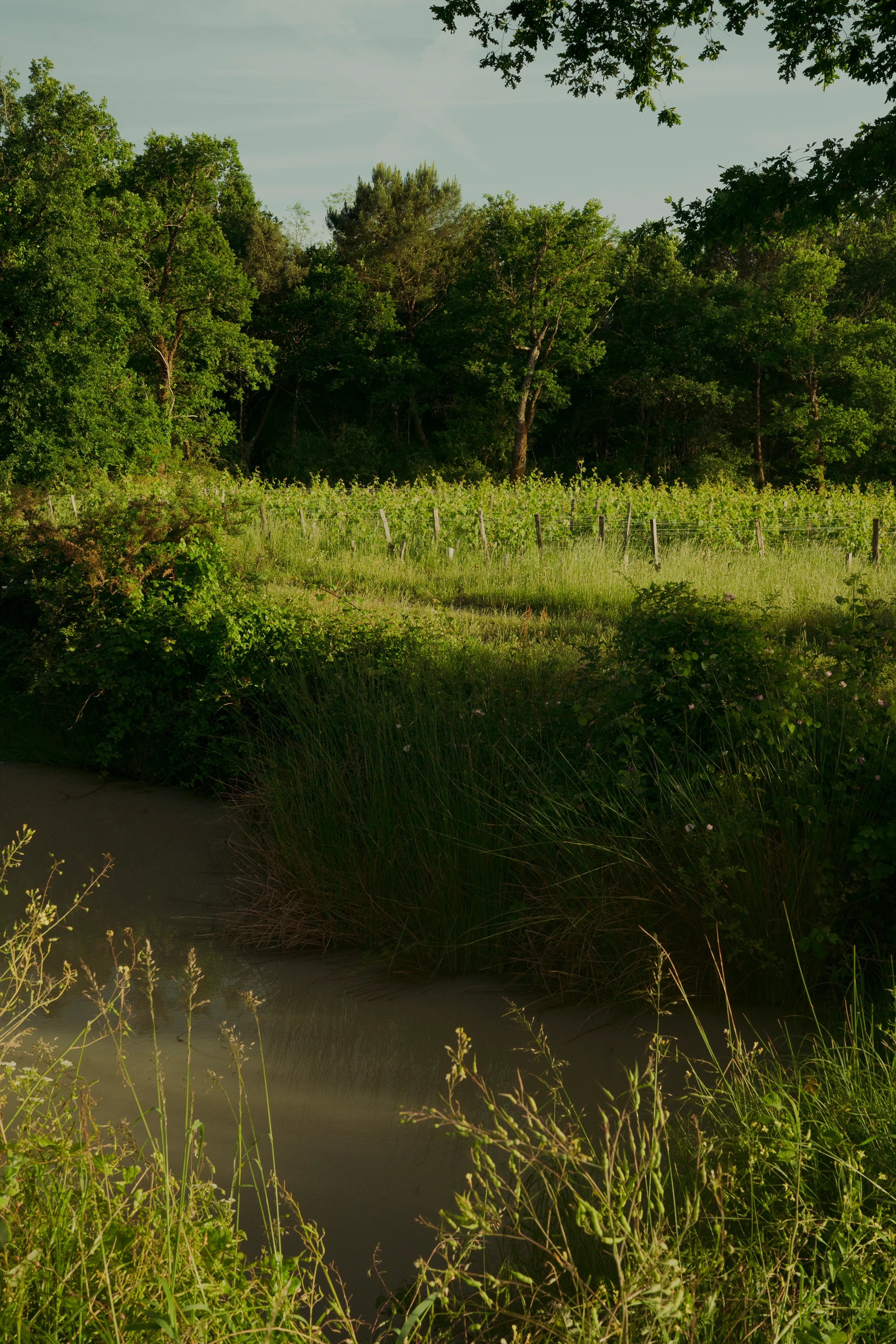
In spring, the relationship changes again. The vines resume their growth; their needs are no longer those of winter. A cover crop that supported the plot only weeks earlier may now begin to compete with them. Its growth must then be limited, earlier or later depending on the vintage, the age and development of the vines, and the type of plot. “We observe, we contain, we support,” sums up Sabrina Pernet, technical director. These three verbs perhaps say more than any others about the place the teams seek to occupy: neither leaving nature entirely to its own devices nor seeking absolute control. Observing long enough to understand what is happening; intervening when the balance calls for it; allowing, too, for the following year to offer a different answer.
The way we look at the plants growing between the rows has also changed. “In the past, we worked the vines, not the grass,” Alba recalls. Long regarded primarily as competitors, these plants are now also observed for what they reveal. Certain species can indicate compaction, imbalance or particular qualities in the soil. “Plants send us messages,” says Federico Coltorti, deputy technical director. We still have to learn how to read them.
We observe, we contain, we support.
Sabrina Pernet, technical director
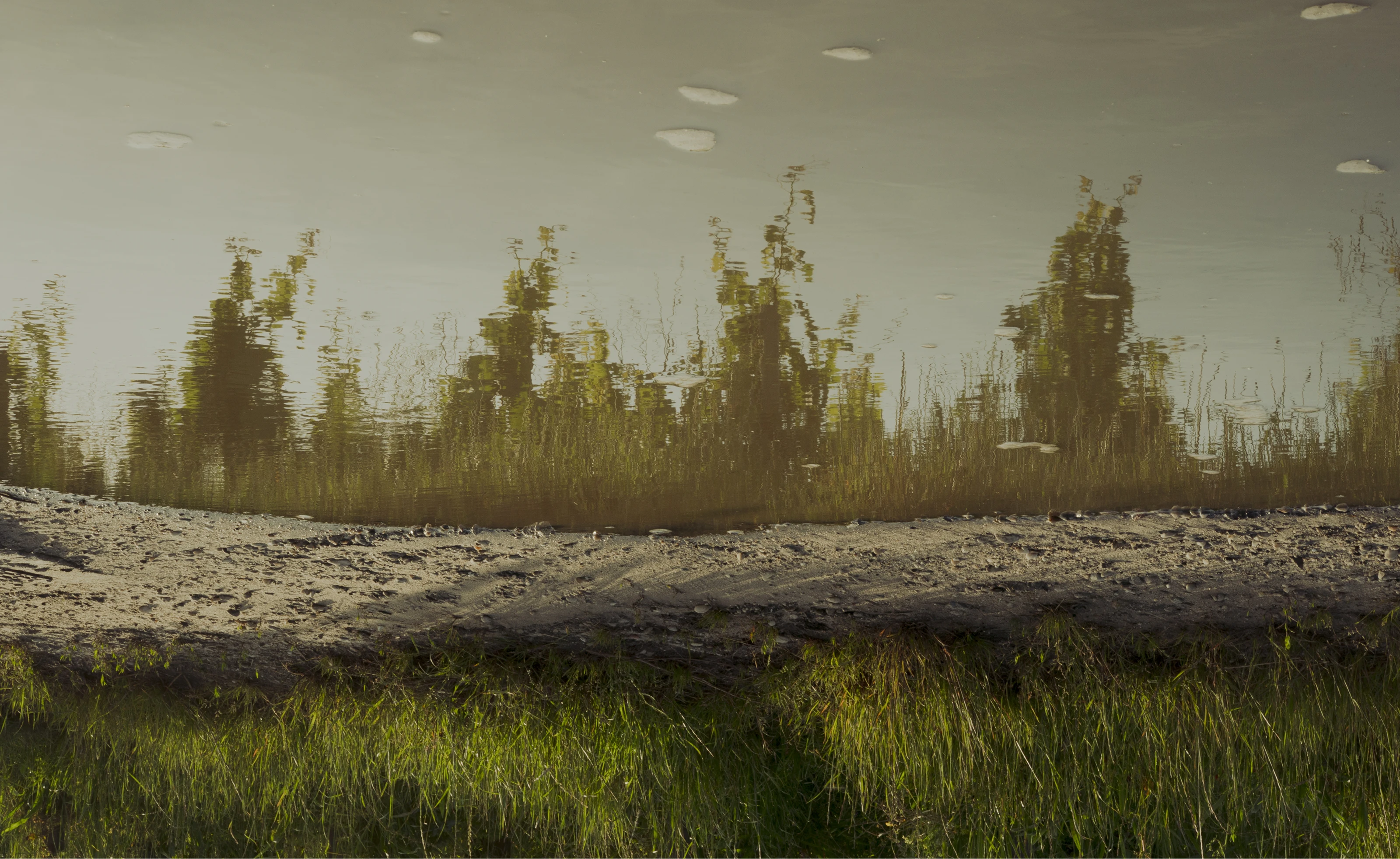
This knowledge is built over time. We need to know what has grown in a plot, what has failed there, how it has come through a wet spring or a dry summer. We need to remember, compare, return. From one year to the next, the vineyard changes, and our knowledge of it evolves in turn. Sowing thus reveals an agronomic vision that does not seek a definitive answer, but continually refines its understanding of the living environment. “There is no miracle solution,” Sabrina sums up. There are practices that adjust and balances that shift. Between the rows, much of this work escapes the eye. It happens underground, over time, through the patient repetition of the seasons. The winegrower acts today on processes whose effects may only become apparent tomorrow. The vines are what we see. Around them, and often beneath them, an entire world is at work making them possible.
Photographs by Cloé Harent & Anne-Claire Héraud


