The greatest balances are often the most misunderstood. We imagine them as still, almost perfect in their stability, as though harmony were born from the absence of conflict, from the disappearance of opposing forces. Yet the finest structures tell precisely the opposite story. A vault does not stand despite the forces pressing upon it; it stands because of them. A bow draws its strength from the tension it holds. The most accomplished forms of balance are never fixed states. They are living relationships between forces that continue to converse.
The 2016 vintage belongs to this family. Nothing, throughout its making, seemed to foreshadow such an outcome. An unusually mild winter hastened the awakening of the vines. Then came a spring whose persistent humidity created unprecedented disease pressure, unlike anything experienced since biodynamic farming began at Palmer. The teams responded with constant vigilance. Finally, summer reversed the course of the season and, through its remarkable stability, provided the conditions for slow, even ripening. The harvest, among the latest in the estate’s history, yielded grapes of exceptional concentration. After this succession of trials and turning points, the crop was modest. Yet the substance was there. For the 2016 vintage already contained what would become its defining character: forces that appeared to oppose one another, yet ultimately found their rightful measure.
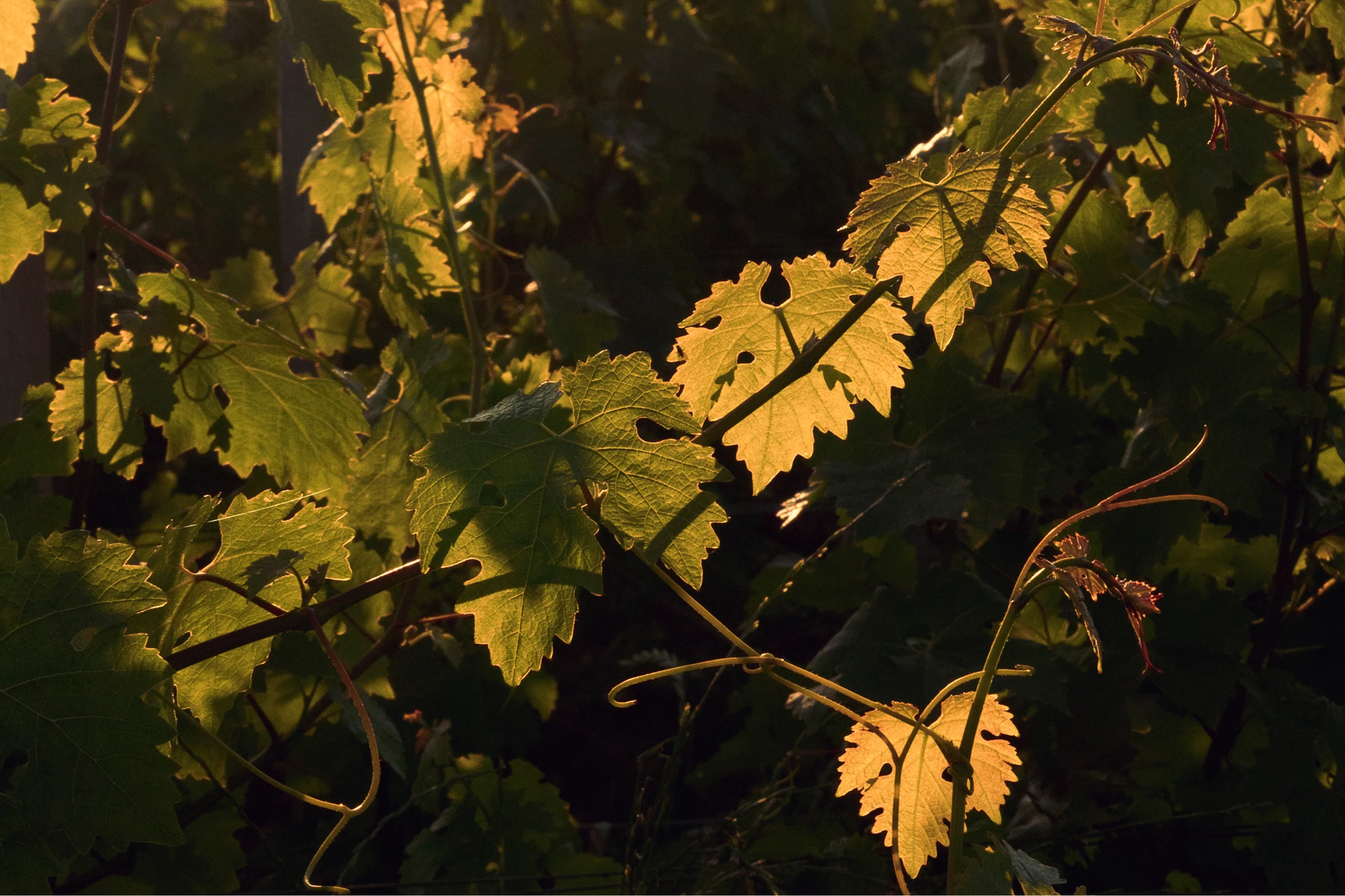
These invisible foundations take shape in the cellar. The tannins possess remarkable density without ever becoming overbearing. The structure is profound without rigidity. The wine’s aromatic intensity is compelling without seeking effect. Fruit, freshness, texture and length do not achieve balance by cancelling one another out; they coexist, each fully present, none ever overpowering the others. Within this architecture, the two great grape varieties that define Palmer find a mirror-like place. Present in almost equal proportions, they come together with rare naturalness: neither dominates; each reveals the other. It is this tension, sustained with almost imperceptible precision, that gives the wine its character.
“When the final blend reflects the varietal composition of the vineyard, nothing has had to be forced.”
Thomas Duroux — director of Château Palmer
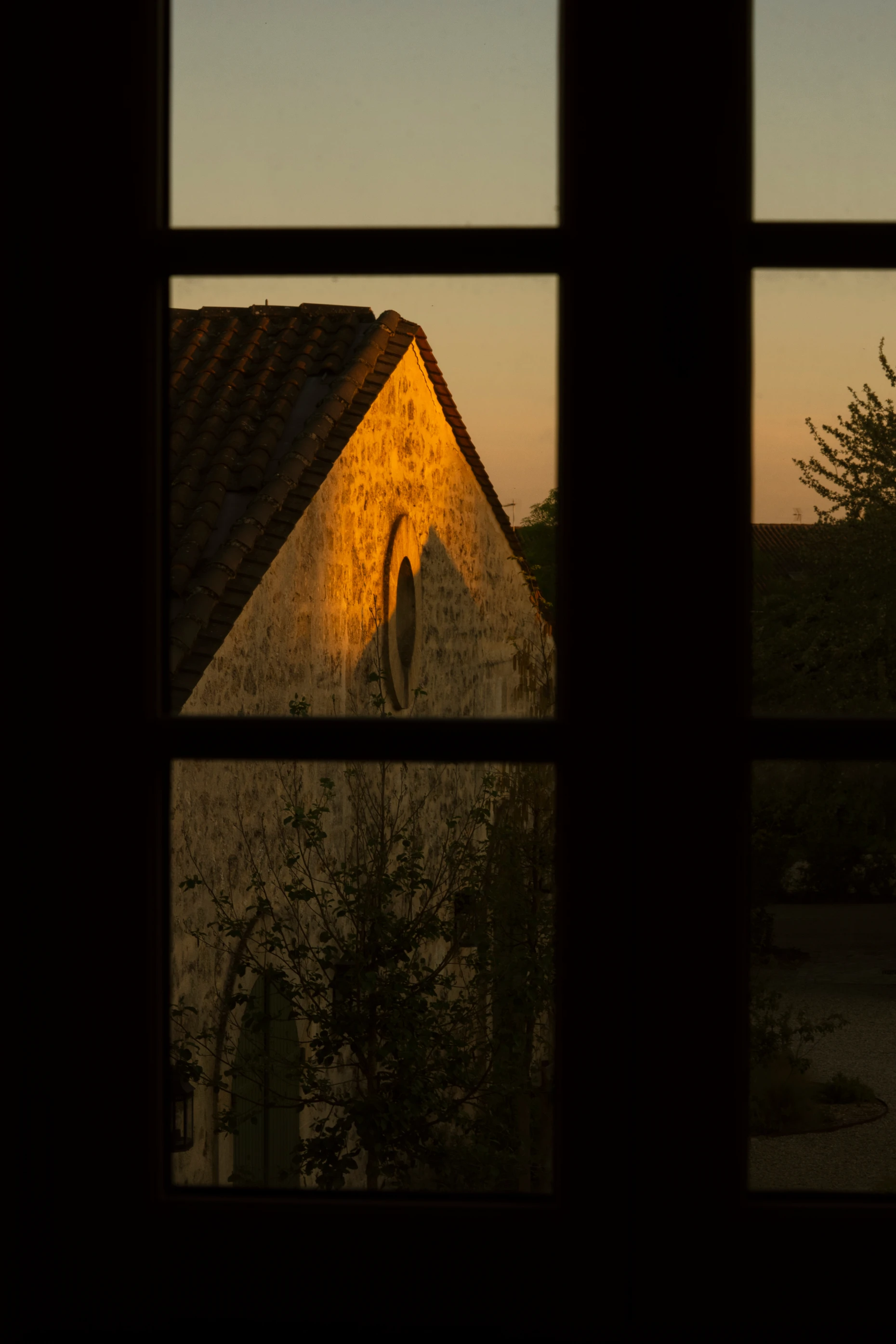
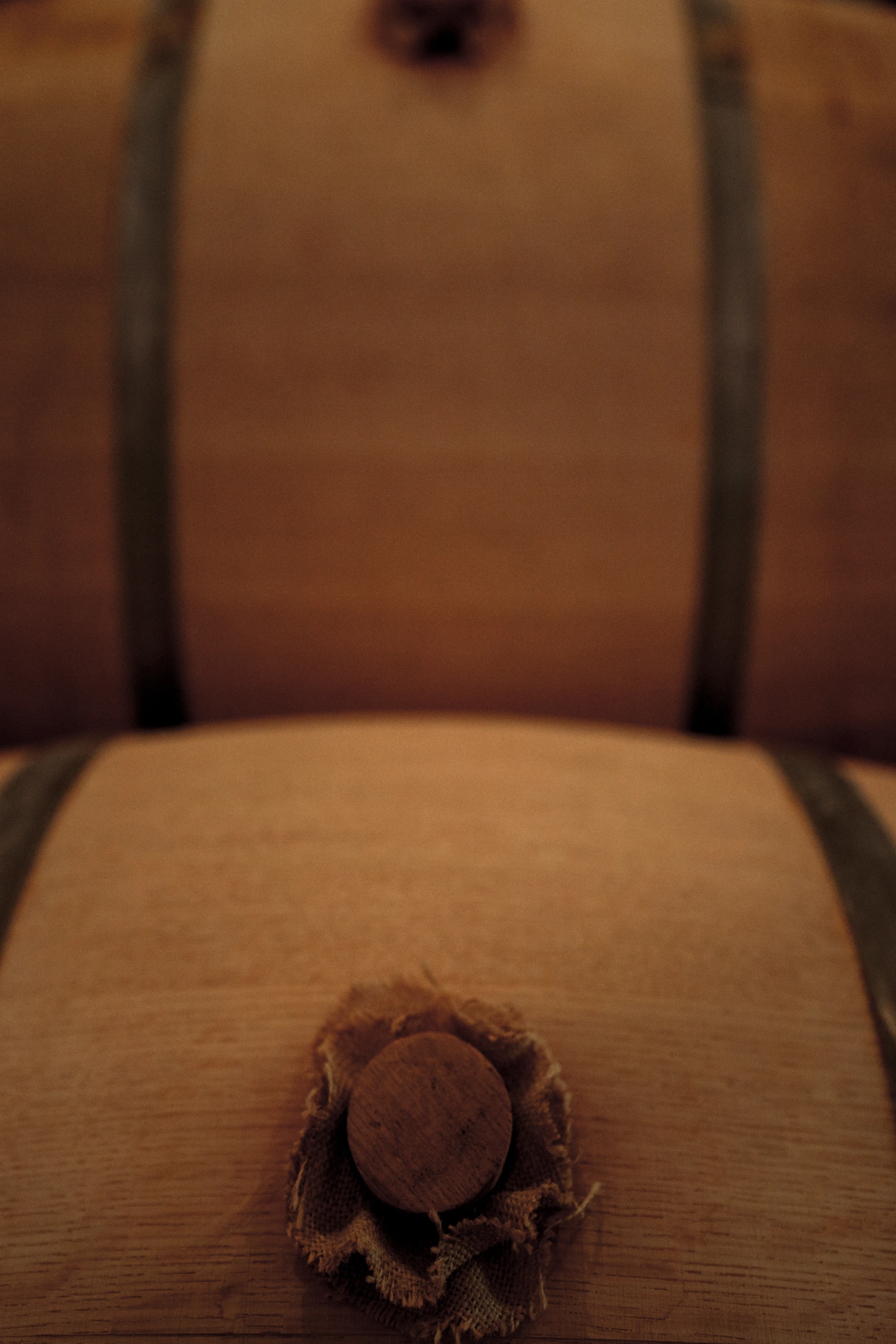
In its youth, the structure could seem austere. Wines built upon such a backbone require time—not to become something else, but to become fully legible. They do not seek to seduce immediately; they invite a different kind of encounter, slower and more attentive.
“In well-structured vintages, it is time that reveals the true texture of the wine.”
Thomas Duroux — director of Château Palmer
Ten years later, that texture emerges with striking clarity. Velvet has not replaced power; it has become its expression. Depth has lost none of its intensity; it has gained precision. Perhaps this is what true maturity really is. Not the disappearance of the tensions that define us, but their coexistence. The moment when opposing forces finally come together in a single movement.
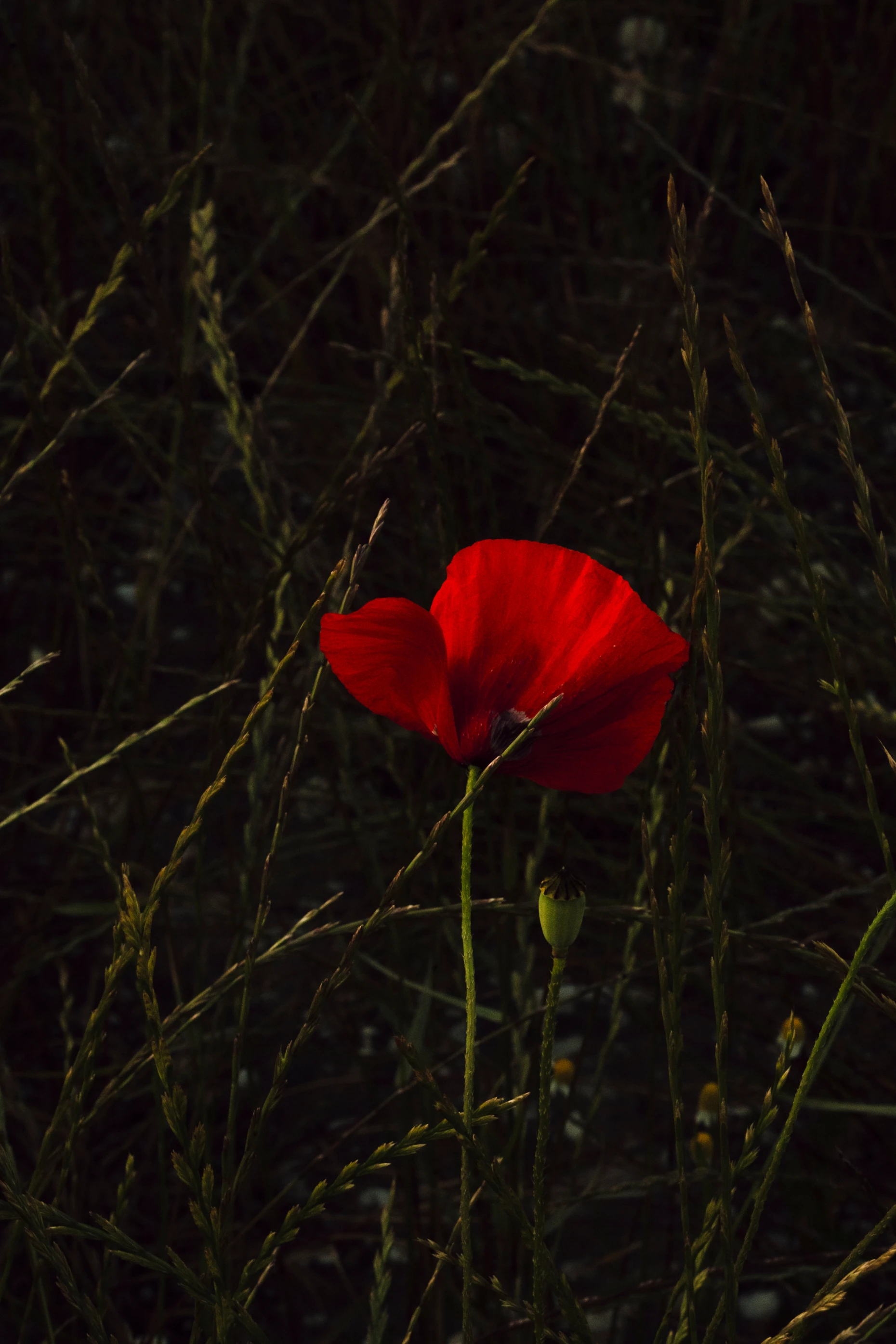
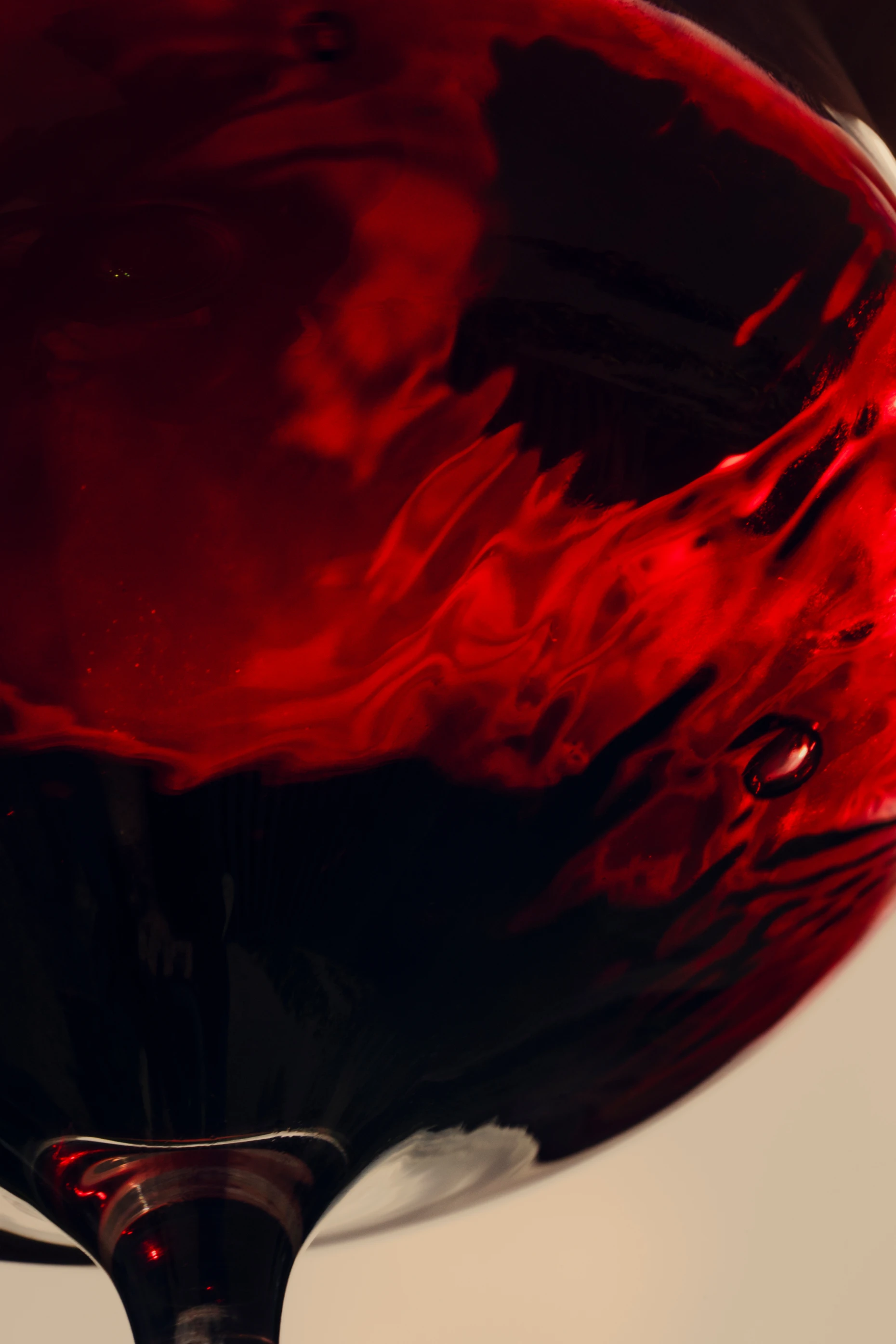
“None of these elements ever seeks to dominate. They remain in constant vibration.”
Thomas Duroux — director of Château Palmer
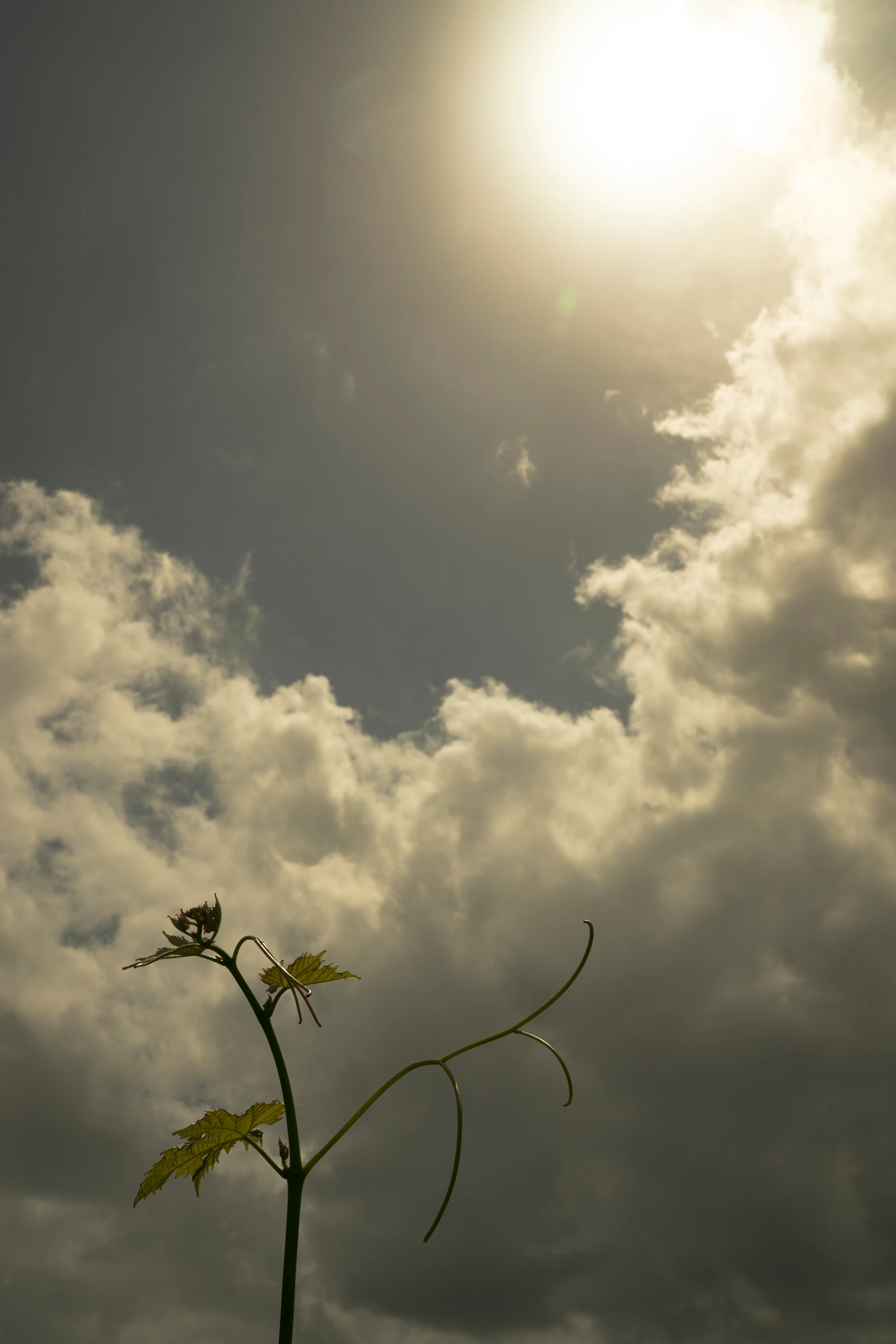
Château Palmer 2016 may well be one of its finest expressions. Ten years have been enough to reveal the full extent of its promise. Perhaps that is what time reveals. A wine in which every dimension has found its point of perfect poise. The tannins have settled into place. Power has not faded; it has freed itself from any need for display. Balance is not static. It remains alive, sustained by forces that have never ceased to respond to one another.
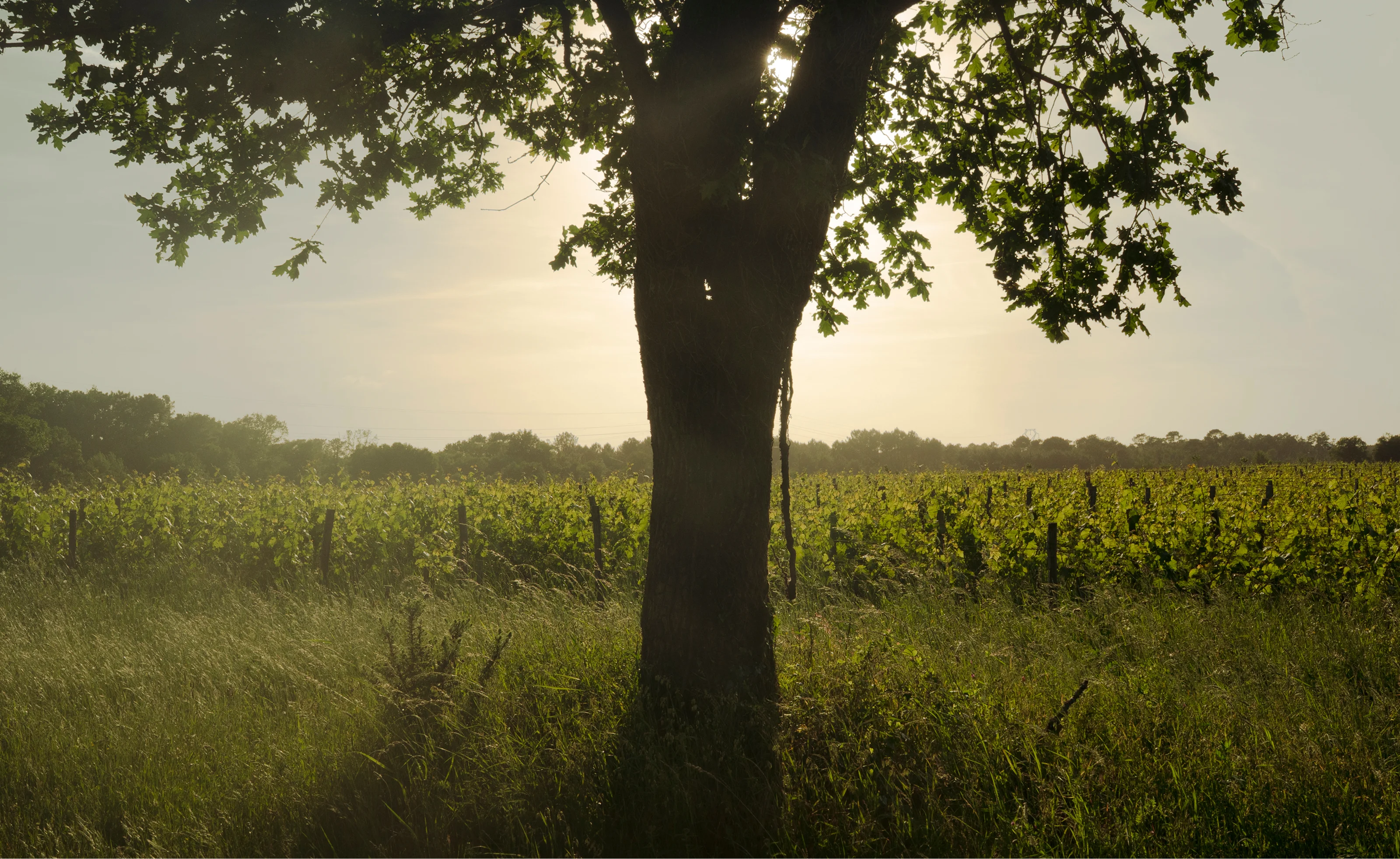
“This is a wine built to endure, yet it is already deeply moving.”
Thomas Duroux — director of Château Palmer
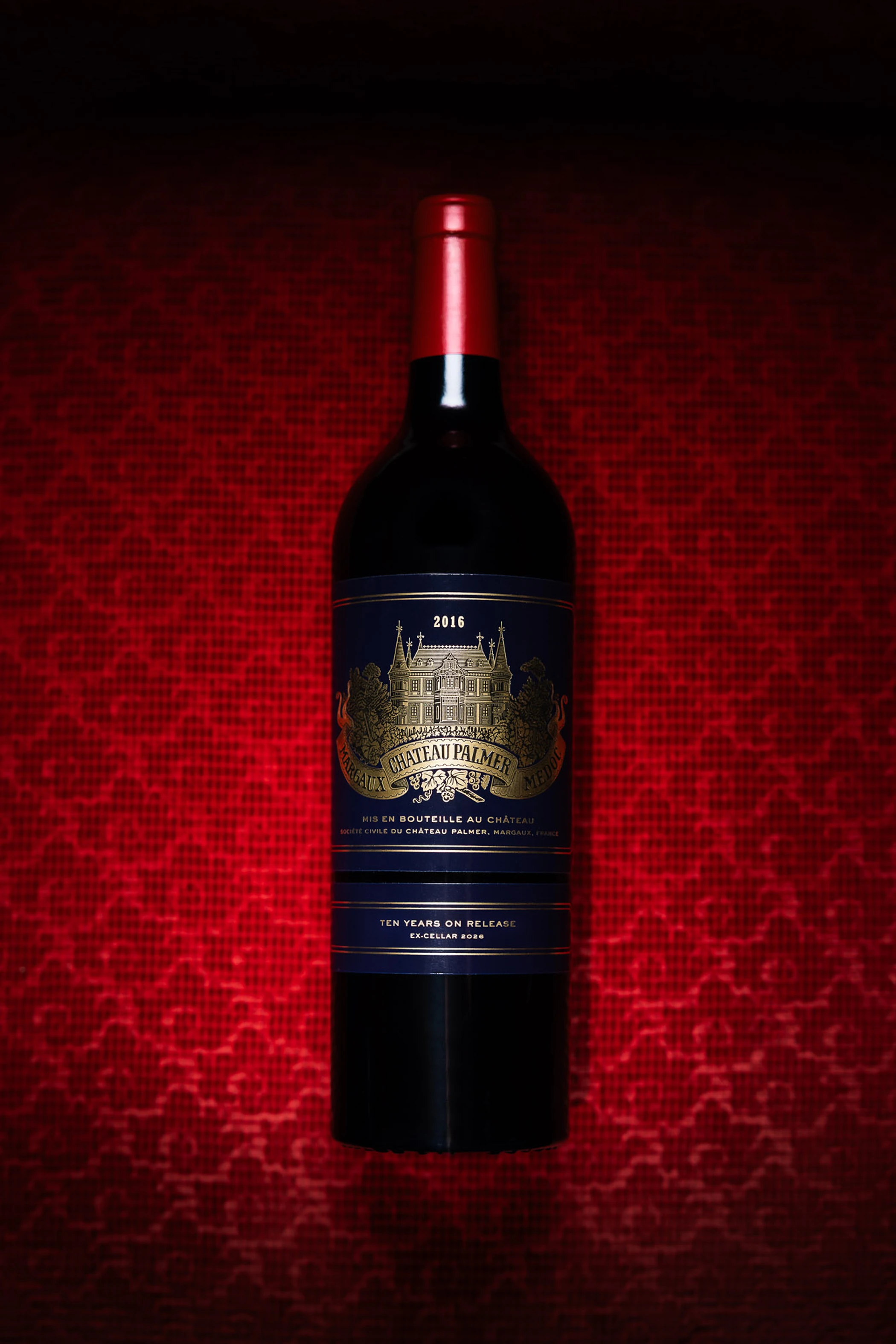
Photographs by Cloé Harent